As an Amazon Associate, we earn from qualifying purchases. Some links on this site are affiliate links at no extra cost to you. Our recommendations are based on thorough research and editorial judgment.

What “Tooth” Means in Painting (and How to Create It)

Have you ever noticed your paint acting a bit wild on different surfaces? That’s because of something artists call “tooth.” Simply put, it refers to the texture of the surface you’re painting on, and it can really change how your materials behave.
If you’ve ever worked on cold press paper, you know it holds paint beautifully, while slick surfaces tend to make the paint smudge more easily. So, what can you do about it?
To create that desirable tooth, consider these options:
- Textured Papers: These come in various forms and add natural grip to your media.
- Acrylic Gesso with Sand: Mixing some sand in your gesso can give you a rougher surface that holds paint in place.
- Sanding Smooth Surfaces: If you prefer working on a smoother canvas, give it a light sanding first; it can really help create some texture.
Each type of paper or technique brings something different to the table, which means choosing the right one is crucial for the effects you want to achieve.
The best part is that experimenting with these options can lead to some really exciting results.
So, why does this matter? If you’re after specific techniques or visual effects, understanding how tooth works gives you the freedom to play around with your art. It’s all about finding what suits your style.
In summary, the texture of your painting surface can make a big difference in your work.
Why not try a few different surfaces and see what resonates with you? Your next masterpiece could be just a brushstroke away!
Key Takeaways
- Tooth refers to the texture of a painting surface, influencing how mediums like paint, charcoal, and pastels adhere and interact.
- Cold press and rough papers offer heavy tooth, making them ideal for layering and materials that require strong grip, like charcoal.
- Smoother surfaces, like hot press paper, have minimal tooth and are better for detailed work but can smudge with certain mediums.
- Texture can be enhanced by sanding, applying acrylic gesso, or using textured additives, allowing for custom tooth levels.
- The choice of tooth affects the emotional expression and aesthetic quality of the artwork, impacting depth and detail.
What Does “Tooth” Mean in Painting?

Have you ever wondered why some artists seem to effortlessly make their colors pop while others struggle? The secret often lies in the tooth of the paper or canvas they’re using. Tooth refers to the texture of your surface, and it can significantly affect how your paint or medium behaves.
When you’re working with a textured surface, more tooth can actually help your materials grip better. This is especially useful for things like charcoal or pastel, as they tend to hold onto the surface more effectively. You might notice that using smoother paper, such as hot press, can lead to smudging when you work with charcoal. So, it pays to be mindful of your choices.
Cold press and rough papers? They’re often go-tos for many artists due to their higher tooth. With these options, you can build layers and create depth that might be hard to achieve on smoother surfaces. It’s amazing how the right texture can make your artwork stand out.
Choosing the right paper’s tooth is essential because it really influences how you apply and blend your colors. So, when you’re in the art supply store, take a moment to feel the paper and imagine how your chosen medium would behave on it.
Before you head off to create, remember: the texture of your surface isn’t just an afterthought. It plays a significant role in the final look of your artwork. So next time you’re setting up, think about the tooth and how it can elevate your work. What texture could inspire your next masterpiece? Additionally, just like maintaining consoles requires regular cleaning to avoid buildup that can affect performance, artists should regularly prepare and maintain their surfaces to ensure optimal texture and cleaning effectiveness.
The Role of Surface Texture in Art
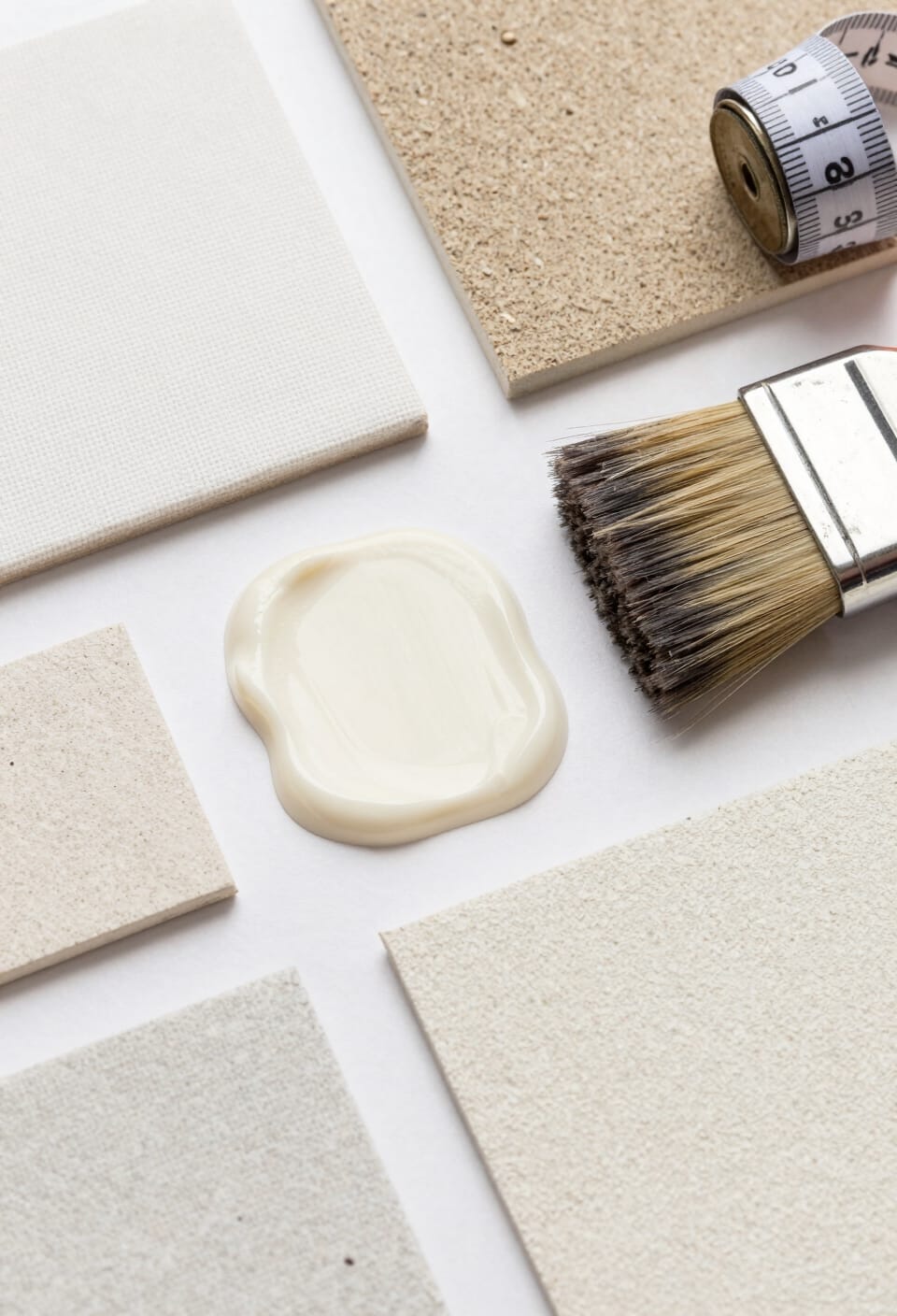
Have you ever wondered why some artworks really pop while others seem flat? The secret often lies in the surface texture of the materials you’re using. A textured surface—sometimes called “tooth”—can significantly improve how your chosen media stick. For instance, if you’re working with charcoal or pastels, that grip can make all the difference in creating depth and layering effects.
On the flip side, smooth surfaces are perfect when you need to nail down intricate details. However, if you’re using textured media, these smooth surfaces might not do them justice. So, what do you do if you want to tweak your surfaces?
Try this: get some sandpaper for a bit of grit, or slap on some gesso to get a matte finish. Each type of surface has its perks:
- Textured Surfaces: Great for layering; they really shine with pastels and charcoal.
- Smooth Surfaces: The go-to for sharp details; not so great for texture-heavy applications.
Choosing the right texture isn’t just a minor detail; it plays a big role in achieving your artistic vision. So, what kind of effects do you want to create with your art? Sandpaper comes in various grit variety options that can help you precisely control the texture of your surface before painting.
Types of Paper and Their Unique Tooth Characteristics

Choosing the right paper for your art projects can really impact how your materials perform. Have you ever felt like your artwork just wasn’t coming together? The type of paper you use can make all the difference. Here’s a rundown of some paper types and their unique tooth characteristics to help steer you in the right direction:
- Cold Press Watercolor Paper: This one’s got a heavy tooth, which makes it an excellent choice for charcoal artists. It not only enhances adhesion but also allows for better layering, especially useful when you’re aiming for dark backgrounds.
- Rough Paper: If you want a good amount of texture, rough paper is where it’s at. It has the most tooth, making it ideal for watercolors, and it gives charcoal artists a variety of textures to play with. Plus, if you’re up for it, you can sand it down for even more creative effects.
- Hot Press Paper: On the flip side, hot press paper has minimal tooth. Honestly, it’s not the best option if you’re working with charcoal because it can smudge easily. Instead, it works better for pen and pencil work, where you want a smoother finish.
- Charcoal Paper: If charcoal’s your go-to medium, consider using charcoal paper. It strikes a good balance between texture and smoothness, which makes it perfect for sketching and working through your ideas without too much fuss.
Additionally, proper preparation of your paper surface can be enhanced by using solvents like acetone for cleaning, which helps remove unwanted residues and improves material adherence.
Want to take your art to the next level? Picking the right paper can elevate your work significantly. So, which type do you think you’ll try for your next art project?
Recommended Products

Big sound--with deep bass--for a full-range listening experience

Great choice for all types of media

The Canson Artist Series was created for artists who want performance without compromise.
How to Create Tooth on Your Paper or Surface
Creating texture, or tooth, on paper or other surfaces can really bring your art projects to life. Have you ever struggled getting your medium to stick or achieve that perfect finish? Here are some tried-and-true methods to help you out.
First off, think about the paper you’re using. Cold press or rough watercolor papers are excellent choices since they naturally have a built-in tooth. This will help your paints or pastels adhere better and create that rich texture you’re after.
If you’re working on smooth surfaces, try giving them a little sanding. It sounds simple, but adjusting the intensity and area you sand can change the texture dramatically, offering up various levels of tooth.
Another great option is acrylic gesso. By rolling on a layer of gesso, you not only prime your surface but also can add to the texture. Want to go further? Mix some fine sand or marble dust into the gesso before applying it. This can create a unique feel that makes your artwork stand out.
And don’t shy away from using textured additives or specialty pastes as you prep your surfaces. These can help build custom levels of tooth that work for whatever you’re creating. Feel adventurous? Try adding crushed mussels or sand into your mix for deeper texture.
For added protection during painting projects, consider using pre-taped masking paper with strong adhesive properties to ensure clean edges and safeguard your surfaces.
Recommended Products

Premium Quality: The New York Central Watercolor Block is made on a slowly rotating cylinder mould, ensuring the best watercolor paper quality; It is ideal for both wet and dry media

Versatile Surface Options: New York Central Watercolor Paper offers rough, cold, and hot pressed surfaces; This 100% cotton watercolor paper is ideal for watercolor, gouache, ink, and fluid acrylics

Prized Paper - The long fibers in Arches natural white 100% cotton watercolor paper provide timeless beauty and an inimitable touch; this rich water color paper for artists is available in 2 sizes and 3 revered textures: cold press, hot press and rough
Cold Press vs. Hot Press: Which Paper Should You Choose?
Have you ever been stuck wondering which paper will really bring your artwork to life? Choosing between cold press and hot press paper can be more crucial than you might think. The right choice could take your piece from good to amazing!
Cold Press Paper
Cold press paper has a heavy texture that many artists love. It’s great for charcoal work because it holds onto pigment really well. If you enjoy layering colors or creating dramatic backgrounds, this paper will be your best friend. Plus, it manages water and pigment effectively, giving you the results you want.
Hot Press Paper
On the flip side, hot press paper is smooth and less textured. This makes it ideal for detailed ink, pen, and pencil projects. However, if you’re working with charcoal, be careful—this type of paper can lead to smudging or poor adhesion.
When you’re at the art store, think hard about your specific techniques and style. The texture of your paper can significantly affect how your artwork turns out. Are you aiming for sharp details or soft backgrounds? That can help you make an informed choice.
Ultimately, it comes down to personal preference and the kind of art you’re creating. So, next time you’re picking paper, keep that in mind. What’s your go-to paper type for crafting? Keep in mind that like selecting the right paper texture, choosing the appropriate application methods can greatly influence your project’s success.
Recommended Products

Hot-Press - 300gsm, 55" x 11 yds.

Prized Paper - The long fibers in Arches natural white 100% cotton watercolor paper provide timeless beauty and an inimitable touch; this rich water color paper for artists is available in 2 sizes and 3 revered textures: cold press, hot press and rough

Which Is Best for Your Artwork: Charcoal Paper?
When you’re diving into charcoal artwork, one of the biggest hurdles can be picking the right paper. Many people don’t realize that charcoal paper comes with a special texture that strikes a balance between being rough enough to hold the charcoal and smooth enough to create nice, fluid lines. It’s definitely worth paying attention to what you choose.
The texture of charcoal paper is something to consider. It allows for everything from soft gradations to sharp, defined lines—which are crucial for creating depth in your drawings. If you’ve ever struggled with your charcoal smudging too easily, you might want to take a look at how different papers perform. The right paper can make a big difference in how your artwork turns out.
What about the holding power? Charcoal paper shines in this department. It effectively grabs onto the charcoal without getting overly messy, unlike hot press paper, which can be too slick. You’ll find that your charcoal blends beautifully without turning into a muddy mess.
Many artists often turn to brands like Canson Foundation Charcoal Paper. It’s popular for good reason—it’s reliable for sketching and really allows the artist’s skills to come through.
So, why does this matter? The texture of your paper can really shape your style and the quality of your work. You may be surprised by how much it influences the final look of your charcoal pieces. Choosing the right paper is more than just a detail; it’s a step toward elevating your artwork. This is similar to how textured finishes on truck bed liners enhance protection and functionality by providing grip and impact resistance.
Recommended Products

Sturdy enough to ensure the liquid you use doesn’t damage the tooth or seep through

THIS IS FOR A PACK of 10 Mats only w/o backing boards or bags, Featuring a picture opening for a 16x20 inch photo, and a 20x24 inch overall size. Picture openings are cut 0.5" smaller than the photo size advertised to overlap the photo and help keep it securely in the frame.
Enhance Your Surface Texture With These Techniques
Have you ever painted something and felt like the surface just wasn’t working for you? The texture of your canvas can really influence how your artwork turns out, and there are some simple techniques you can try to get better results.
First off, consider applying gesso with a roller instead of a brush. It’s a small change, but it can give you a much smoother and more even surface to work on. If you want to take it a step further, after the gesso has dried, grab some sandpaper. Sanding can refine the texture and help you customize how your paint interacts with the canvas.
Ever thought about mixing in some additives? By adding fine sand or other crushed materials into your gesso, you can create interesting textures that really stand out. This can lead to some unique effects that add depth to your work.
Now, think about the kind of painting you’re doing. For more expressive pieces, a rough canvas can really help convey emotion. But if you’re into detailed portraits, a smoother canvas might be the way to go. The surface you choose makes a huge difference!
Here’s a trick: experimenting with layering tools like a palette knife can help you create more texture. You can manipulate the surface and make the paint interact in fun ways, adding to the overall feel of your piece.
In the end, it all comes down to experimenting and finding what works best for you. What techniques have you tried to improve your surface texture? Keep exploring—you might just find something that transforms your artwork! Additionally, using a paintable caulk with good adhesion and flexibility can help prepare surfaces by filling cracks and creating a uniform base before painting.
Artists’ Insights on Paper Choices for Different Mediums
Choosing the right paper for your art can really make or break how your mediums perform and how your final pieces turn out. It’s a simple yet crucial part of the creative process that can often be overlooked.
Charcoal and Pastel Paper Choices:
If you work with charcoal, you know how much of a difference texture can make. Rough surfaces are often your best bet. For instance, cold press paper allows for better layering and adherence, so your artwork has depth. On the other hand, charcoal-specific papers, like Canson Foundation Charcoal Paper, strike a nice balance between having enough tooth and a bit of smoothness. This combo makes it perfect for creating those dramatic effects that charcoal’s known for.
Mediums and Paper Compatibility:
With oil painting, a smoother surface really shines. It gives you the space to get into those fine details without the grit getting in your way. When you switch gears to pastels, though, you’ll want to grab pastel paper that has a good bite to it. This helps your pastels stick and retain their vibrancy, which is exactly what you want when you’re layering colors.
So, why does this matter? Truth is, using the right paper can elevate your work in ways you might not expect. Hot press paper, for instance, is way too smooth for charcoal and can lead to smudging. Instead, embracing textured surfaces can enhance your expressive style.
When you understand your options, you can truly maximize your artistic potential. Additionally, considering the surface compatibility between your medium and paper ensures better adhesion and longevity of your artwork.
So, what’s your go-to paper choice?
How to Choose the Perfect Paper for Your Art
How can you ensure you’re picking the perfect paper for your art projects? It starts with understanding the “tooth” of the paper. If you go for a rougher tooth, like Arches Cold Press, you’ll find it’s fantastic for layering and creating rich, dark backgrounds, especially if you’re working with charcoal.
Here are a few key points to keep in mind:
- Tooth: Rough paper grips materials much better, making it a great choice for adding textures to your work.
- Types of Paper:
- Cold Press: This one’s a winner for watercolors and charcoal.
- Hot Press: With its smooth finish, it’s great for fine details but doesn’t work as well with charcoal.
- Charcoal Paper: This kind is tailored for sketching, striking a nice balance between tooth and smoothness.
Honestly, different papers can really change how your colors come to life on the page. The right paper choice can elevate your artwork significantly. So, what’s your go-to type of paper for different styles? Choosing tools and materials with the right compatibility specifications ensures the best performance in your creative process.
Recommended Products

Prized Paper - The long fibers in Arches natural white 100% cotton watercolor paper provide timeless beauty; this rich paper is available in 13 sizes and 3 revered textures: cold press, hot press and rough
Prized Paper - The long fibers in Arches natural white 100% cotton watercolor paper provide timeless beauty and an inimitable touch; this rich water color paper for artists is available in 2 sizes and 3 revered textures: cold press, hot press and rough

Frequently Asked Questions
What Does “Tooth” Mean in Painting?
Tooth in painting’s like the surface of a well-worn stone; it dictates our painting consistency. This texture adds visual grit and allows artistic layers to build beautifully, giving depth to our work’s overall impact.
How to Make Your Own Tooth Paint?
To make our own homemade paint, we’ll mix acrylic with textured mediums for unique texture effects. Experimenting with paint ingredients like marble dust or coarse salt enhances tooth paint techniques, ensuring our artwork stands out.
What Do Teeth Symbolize in Art?
Teeth symbolize strength and vulnerability in art, revealing deep dental symbolism. Through artistic representations and various cultural interpretations, they express resilience and identity, often drawing on rich narratives found in teeth in mythology.
What Does a Tooth Symbolize?
A tooth symbolizes strength and vulnerability, reflecting our emotional connections. Its anatomical representations vary across cultures, embodying ideals like health or decay, while also serving as metaphors for life’s complexities and cultural interpretations of beauty and protection.


