As an Amazon Associate, we earn from qualifying purchases. Some links on this site are affiliate links at no extra cost to you. Our recommendations are based on thorough research and editorial judgment.


Indoor Painting Ventilation Basics (Without Overcooling the Room)

Indoor painting can be a messy—and even a bit toxic—endeavor if you don’t take proper precautions.
So, how do you keep the air fresh without turning your room into a freezer? Let’s break it down with some straightforward tips that really work.
Prepare: Before you even pick up the brush, spend a little time mapping out your ventilation strategy. It’s all about thinking ahead!
Open Windows: One of the easiest tricks? Open windows on opposite sides of the room. This cross-ventilation allows fresh air to flow in while pushing those paint fumes right out.
Use Fans: Don’t underestimate the power of a good fan. Position a box fan near the window to help boost air circulation. This simple addition really makes a difference in keeping the air moving.
Utilize Air Purifiers: If you’re serious about improving air quality, consider using air purifiers with HEPA filters. They do a great job of capturing harmful fumes, making your space safer to breathe in while the paint dries.
Ventilate Duration: Here’s the kicker: it’s not just about painting. Keep the area well-ventilated for at least 24-48 hours after you’re done.
It can feel almost ridiculous to keep windows open so long, but trust me, it helps a lot.
These methods can keep you safe while you’re on your painting journey.
Ready for your next project? What other tips might you find useful to ensure your painting experience goes smoothly?
Key Takeaways
- Open windows on opposite sides of the room to facilitate cross-ventilation without causing significant temperature drops.
- Position box fans to circulate air; one can draw in fresh air while another pushes stale air outside.
- Use exhaust fans to continuously remove harmful paint fumes while maintaining a stable indoor temperature.
- Keep doors open to enhance airflow while preventing drastic cooling in adjacent rooms during the painting process.
- Employ air purifiers with HEPA filters to improve air quality while minimizing the need for excessive ventilation.
Understanding the Health Risks of Poor Ventilation During Indoor Painting
Have you ever noticed how strong paint smells? That’s because of the chemicals in it, and poor ventilation can turn a simple indoor painting project into a health hazard. When there’s not enough airflow, harmful fumes and volatile organic compounds (VOCs) can build up in your space. This isn’t just about a headache or a slight dizzy spell; it could lead to serious discomfort, especially for vulnerable groups like kids or the elderly.
To keep your home safe while you paint, ensure good ventilation. Aim to keep windows open and use fans to keep the air moving around for at least 24 to 48 hours after you finish painting. This fresh air helps dissipate the paint odors and those pesky fumes. Frankly, the Environmental Protection Agency (EPA) stresses that proper air circulation is crucial for maintaining a healthy environment at home. It’s a good idea to keep checking your indoor air quality, too; it can go a long way in improving your living space. Using medium adhesion painters tape during your painting can also help minimize paint-to-air contact, reducing airborne particles and fumes.
Effective Ways to Open Up for Fresh Air

How many times have you opened a can of paint and immediately felt overwhelmed by that strong smell? We all know that fresh air is crucial for good air quality, especially when you’re getting your DIY on. Here are some real ways to keep your space ventilated while you’re painting.
Try this: Open those windows! If you can, position them on opposite sides of the room. This creates cross-ventilation—fresh air can flow in while the stale air makes its exit.
Want to kick it up a notch? Box fans can be super useful too. Set them up facing outside in the windows or doorways. They’ll help push out those paint fumes and draw in the fresh air right when you need it most.
Don’t forget about exhaust fans. Keeping them on, especially in spaces like kitchens and bathrooms, will help continuously remove those harmful chemicals. It’s a simple step that can make a huge difference.
Also, keeping doors open can really help with airflow from nearby rooms. It’s a small effort that can enhance ventilation while you’re working with those paints.
Looking to go the extra mile? Consider using air purifiers equipped with HEPA filters. They can help clean the air even more, especially if you’re using low-VOC paints.
Additionally, regularly cleaning your workspace helps minimize dust and contaminants, similar to how reusable drywall sanding screens improve finishing by reducing clogging.
So, why does this matter? It’s all about creating a safer environment while you unleash your inner artist. Remember, good air quality can make your painting experience more enjoyable.
In short, fresh air is essential when you’re painting indoors. How do you plan to keep your space airy during your next project?
Safe Handling of Paint, Supplies, and Proper Ventilation

How often do you think about the safety of your painting space? It’s easy to get caught up in colors and creativity, but you need to prioritize your health too. Handling paint and supplies the right way is just as crucial as having a killer color palette. Here are some solid practices you can incorporate:
Start with proper ventilation. Open windows on opposite sides of the room to create a cross-breeze. This simple step helps clear out those nasty paint fumes and brings in fresh air to breathe while you work.
Another tip? Use box fans**. Placing them in windows or doorways can really boost airflow**, pushing out stale air and pulling in the good stuff. It’s a quick way to enhance the quality of the air you’re working in.
When you’re done with your supplies, don’t just toss the leftover paint and supplies aside. Seal paint cans tightly to prevent any unwanted fumes from escaping. Make sure you dispose of everything safely to keep your space clean and safe.
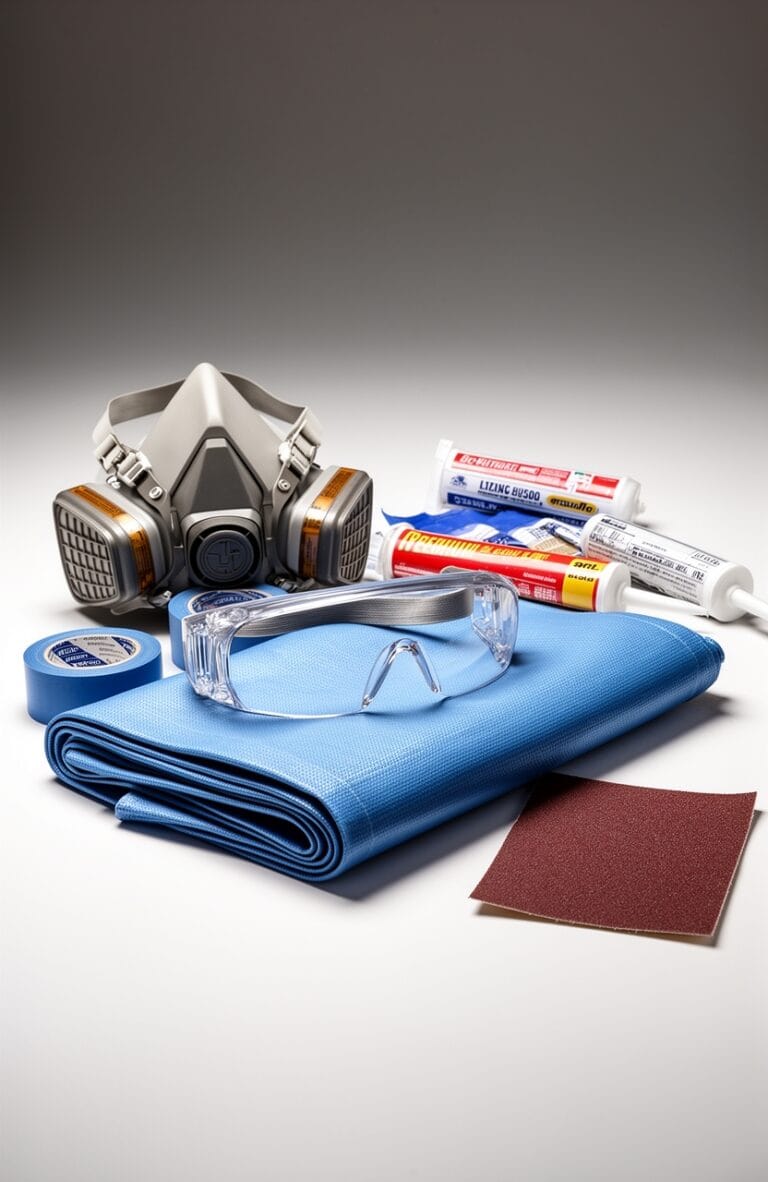
And while we’re on the topic of safety, consider wearing a quality mask. You’re going to want something like an N95 or P100 to help shield your lungs from those fumes. Honestly, it’s a small step that makes a big difference.
Don’t forget about continuous exhaust! Keeping exhaust fans running during your painting sessions can help filter out contaminants. It’s a smart way to make sure the air stays fresh.
Additionally, using tools made from durable and easy-to-clean materials, such as plastic body filler spreaders, can minimize cleanup time and reduce exposure to harmful residues.
Use Fans to Enhance Airflow Effectively
Effective use of fans can significantly enhance airflow during indoor painting projects. You might wonder why proper ventilation is so crucial. Well, those paint fumes aren’t just annoying; they can be harmful if you breathe them in for too long.
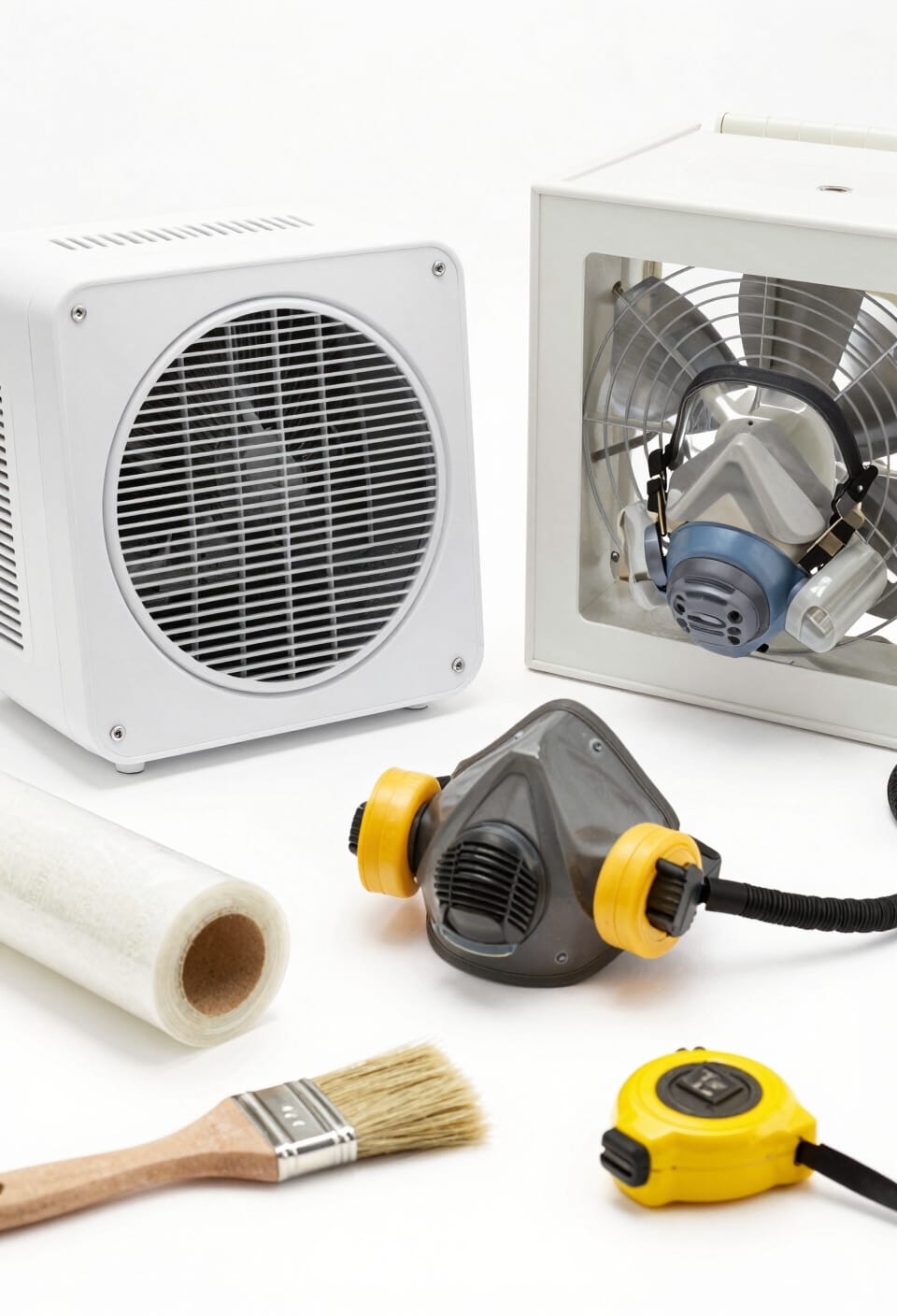
Position Box Fans: Try placing box fans in your windows or doorways to get things moving. This setup pushes the stale air outside while pulling fresh air in. It’s like creating a mini wind tunnel for your space!
Create Cross-Ventilation: Want maximum circulation? Open a couple of windows and use one fan to draw in the fresh air while another pushes the paint fumes out. This two-fan system can make a huge difference.
Seal Gaps: If you’re setting up your fans, make sure they’re directing air outward. Take an extra minute to seal any gaps with tape or cardboard to make everything work more efficiently. Trust me, it’s a small step that pays off big time.
For Windowless Rooms: Dealing with a room that doesn’t have windows? No worries! Just place a box fan at the doorway to help with airflow. This simple trick can promote a steady exchange of air.
Timing: Don’t forget the fans after you’re done painting! Keep them running for a few hours to help dissipate those lingering fumes.
Using a portable paint booth’s filtration system can further improve air quality and reduce exposure to harmful particles during your projects.
Why Air Purifiers Are Your Best Defense Against Paint Fumes?
Are you getting ready to tackle a painting project but dreading the fumes that come with it? You’re not alone. While fans can help with airflow, they won’t do much for the air quality in your home. That’s where air purifiers step in to make a real difference.
– VOCs Reduction: If you’re using water-based paints, you might not realize that they release volatile organic compounds (VOCs) that hang around in the air. Air purifiers fitted with HEPA filters can capture as much as 99.97% of those particles, keeping the air you breathe much cleaner.
The type of filter matters, too. Some air purifiers come with activated carbon filters. These are really effective at adsorbing harmful paint fumes, so your space stays more breathable.
Now let’s talk about size. Choosing the right air purifier isn’t just about picking the one you like. A unit that’s too small won’t be able to filter out all the paint fumes effectively. Make sure to check the specifications to find one that suits your room size.
Remember to keep that purifier running during your painting session and for several hours afterward. Why? Because it helps neutralize lingering odors and harmful chemicals.
In short, air purifiers are a smart investment if you’re looking to breathe easier while getting creative with your walls. So why not give it a try? Your lungs will thank you! Additionally, ensuring proper ventilation when using solvents like volatile organic compounds is crucial to minimize respiratory risks.
Smart Timing: How Long to Ventilate After Painting?
When you’ve just finished painting a room, dealing with those lingering fumes can feel overwhelming. You definitely want to ventilate properly to avoid breathing in those harmful chemicals that come from the fresh paint. Aim for at least 24 to 48 hours of good air circulation, especially if you’ve used standard VOC paints.
So, how can you improve airflow? Here are a few suggestions:
- Open Windows: Letting fresh air in not only helps clear out the stale air but also makes your space feel more inviting.
- Use Exhaust Fans: These are great to keep the air moving and can really speed up the process of getting rid of fumes.
- Encourage Cross-Ventilation: If you’ve got box fans lying around, set them up to push air out of windowless rooms by leaving doors open.
It’s always wise to check the manufacturer’s guidelines for specific drying and ventilation advice. Following these steps can lead to a healthier indoor environment after your painting project. By ensuring good air circulation, you not only tackle those unpleasant paint smells but also look after your health.
Frequently Asked Questions
How to Ventilate a Room When Painting?
To ventilate a room when painting, we’ll open doors, use exhaust fans, and guarantee healthy ventilation for air quality. This promotes air movement, enhances odor dispersal, and effectively reduces paint fumes during our paint application.
How to Ventilate a Room Without Windows When Painting?
To ventilate a windowless room while painting, we can use exhaust fans for air circulation, position ceiling fans for fresh air flow, and deploy air purifiers for odor removal and safety precautions against humidity and harmful vapors.
What Are the Three Methods of Ventilation?
We can choose three airflow techniques: natural ventilation, like cross ventilation with open windows; mechanical systems using exhaust fans and air purifiers; or hybrid methods that combine both, ensuring fresh air while meeting safety standards and controlling temperature.
Can You Paint the Inside of a House When It’s Cold?
Sure, we can totally paint indoors in cold weather. Just remember ideal temperatures and proper ventilation fans are key. Also, let’s prep our workspace and choose low-VOC paints to keep drying smooth and safe!