As an Amazon Associate, we earn from qualifying purchases. Some links on this site are affiliate links at no extra cost to you. Our recommendations are based on thorough research and editorial judgment.


How to Protect Carpet From Paint Splatter (Step-by-Step Setup)

Ever had that sinking feeling when you realize paint could splatter all over your beautiful carpet? It’s a nightmare scenario for any homeowner, but the good news is, protecting your carpet isn’t as daunting as it sounds.
Start by rounding up your supplies: drop cloths, painter’s tape, and maybe some protective film. Once you’ve got everything together, clear out the area you’re going to paint in.
Lay those drop cloths down first—don’t forget to secure the edges with tape so they don’t shift while you work.
Here’s the trick: cut plastic sheets into 12-inch strips and place them along the edges of your carpet, making sure they overlap your baseboards. This little extra step can save you big headaches later.
Check for any areas that still expose carpet—grab a putty knife to really snug those edges down.
Why go through all this trouble? Keeping your carpet in good shape helps maintain the overall look of your home. Plus, cleaning up paint splatters later is way more hassle than taking the time to prepare upfront.
In short, with just a bit of prep, you can dive into your painting project without worrying about ruining your carpet.
So, what’s stopping you from getting started?
Key Takeaways
- Clear the room of furniture and clean the carpet thoroughly to create a safe workspace before applying protection.
- Lay down drop cloths over the carpet and secure edges with painter’s tape to prevent paint seepage.
- Cut plastic sheets into strips, overlapping them at least an inch on the carpet edges for complete coverage.
- Use a plastic putty knife to secure edges snugly and check for any exposed areas that may allow paint to pass through.
- Regularly inspect the protective materials for wear and promptly address any spills during and after painting to maintain carpet integrity.
Essential Carpet Protection Materials to Prevent Paint Splatter
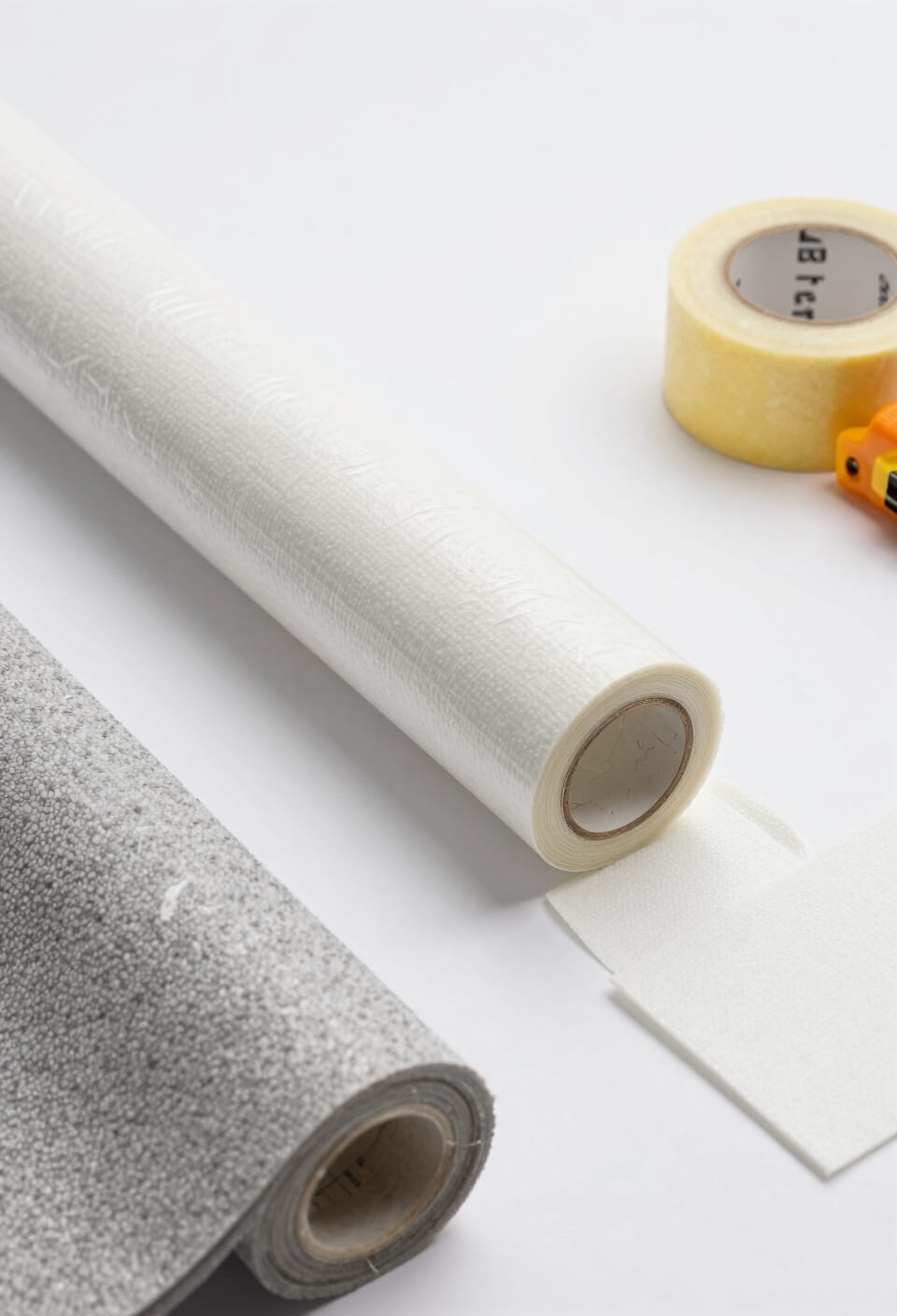
Want to keep your carpets spotless while tackling those DIY painting projects? It can be a real headache if splatters start to appear, but don’t worry. There are a few materials that can save your carpets from a messy fate.
Start with Carpet Protection Rolls. These are self-adhesive sheets that you can stick right onto your carpet. They’re tough, tear-resistant, and act as a solid shield against any paint mishaps.
Another good option is Dust Sheets. When you spread these out over a larger area, they cover a lot! Just be sure to tape down the edges with gaffer tape or painter’s tape. It’ll keep everything secure, and when you pull it up later, your carpet will thank you for it.
Now, here’s a trick: always overlap the edges of any protective material by at least an inch. Why? This little step helps prevent paint from seeping through those seams. So, it’s worth the extra effort.
Also, don’t overlook Paint Compatibility. If you’re using water-based or oil-based paint, make sure the protective materials you choose are suitable for that type. It’s all about preventing stains that can ruin your hard work.
For ultimate reliability, consider selecting drop cloths with appropriate material thickness to ensure durability and protection suited to your project’s needs.
With these simple tools, you’re setting yourself up for success. Have you had any painting disasters before? Share your stories below!
Step-by-Step Guide to Setting Up Carpet Protection
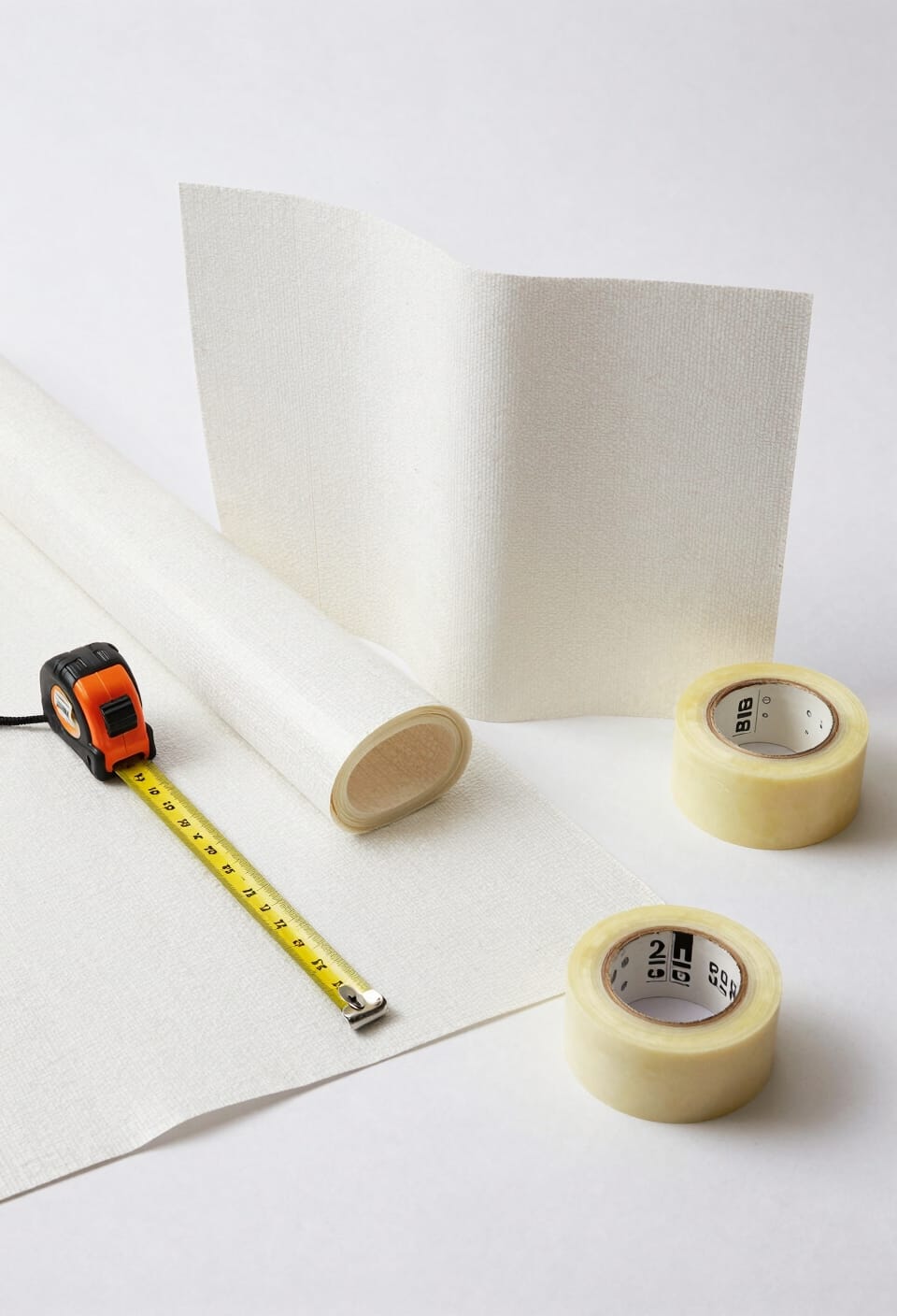
Setting up carpet protection is crucial if you’re taking on any DIY projects — especially when it comes to preventing paint splatters from ruining your floors. So, let’s dive into some straightforward steps to keep your carpet safe.
First, grab a plastic sheet and cut it into 12-inch wide strips about 8 feet long. This size makes handling a lot easier, trust me.
Next, lay that plastic strip down right along the edge of the carpet. Make sure you overlap the baseboard by at least an inch to ensure you’ve got all the angles covered. This is key because any little gap can lead to a mess down the line.
To get that edge secure, use a plastic putty knife to tuck it between the carpet and the baseboard. It’ll help you achieve a snug fit — no one wants to deal with shifting plastic while they’re busy painting, right?
Keep going all around the carpet, double-checking for any exposed areas that might let paint through. It’s worth taking that extra moment to ensure everything’s shielded.
And don’t forget about your stairs! For those, you’ll need to cut a few more strips. Start applying them at the stringers and risers from the bottom step. It’s all about protecting those verticals too.
Truth is, this prep work might not be the most glamorous part, but it’ll save you headaches later on. After all, is there anything worse than trying to clean paint off carpet? Nope. So, take the time to set up that protection right. Using caulk appropriately around trim can also prevent paint from seeping under protective coverings. What’s your next DIY project going to be?
Best Practices for Maintaining Carpet Protection

Have you ever finished a home project only to find your carpet looking worse for wear? After putting in the effort to protect it, it’s crucial to keep that shield intact throughout your projects. Here are some practical tips to help you maintain that protection.
Regularly checking the carpet protection film for signs of wear and tear is a must. If you’re in the middle of heavy-duty tasks, those little inspections go a long way in keeping your carpet safe. A quick look can save you from bigger headaches later.
Applying the protective film correctly makes a huge difference. Try using drop cloths, and be sure to overlap the edges of the film. This simple step helps prevent any liquid or dirt from sneaking through the cracks.
Before you put down any protective films, prep the surfaces. Wiping them down to get rid of dust and debris ensures that everything sticks properly. If the surface isn’t clean, that protective layer won’t do its job.
Keep in mind that protective films have their limits. Following the manufacturer’s guidelines will save you time and trouble. Most films stay effective for about 30 to 60 days, so don’t push it beyond that.
Avoid damp surfaces when applying your protective film. That moisture can lead to mold, and nobody wants that on their carpet.
When stubborn stains hit, reaching out to a professional carpet cleaner might be your best bet to keep your investment looking great. So, what’s your strategy for protecting your carpets during home projects?
Using durable drop cloths underneath the protective film can add an extra layer of defense against paint splatter and spills during renovations.
In short, a little diligence goes a long way in maintaining that carpet protection. Are you ready to put these tips to use?
Tips for Safe and Effective Removal of Carpet Protection
Removing carpet protection film can be a bit tricky, and you definitely don’t want to wreck the carpet underneath. Imagine spending time and money on new carpet, only to find it damaged when you take off that protective layer. Start by making sure the area is clear of any heavy debris. This approach can save your carpet from accidental scratches or tears when you’re peeling off the film.
When you’re ready to get started, just remember to peel slowly. Quick, jerky movements might seem faster, but they can leave behind sticky adhesive that’s a real hassle to clean up later. After you’ve taken off the film, take a moment to inspect the carpet for any leftover adhesive. If you find any, clean it right away to keep your carpet looking sharp.
Try to limit foot traffic on the carpet while you’re working and for a bit afterward, too. Unfortunately, the last thing you want is for any dirt or grime to get ground in during this process. Also, don’t forget to check the manufacturer’s instructions. High-quality films typically minimize sticky residue when removed the right way, which can be a lifesaver.
Why Protecting Your Carpet While Painting Matters
Have you ever finished painting a room only to discover that your beautiful carpet has been splattered with paint? It’s a frustrating situation for sure, and it’s one that can easily be avoided with a little foresight. Protecting your carpet while painting isn’t just an annoyance; it’s a smart way to safeguard your flooring investment.
Paint splatters can be a real headache. Water-based paints cling to carpet fibers like they’re best friends, making those stains tough to tackle. Oil-based paints? They can cause lasting damage, sometimes beyond repair. So, why does this matter? Because nobody wants to face the disappointment of ruined carpets after a weekend of DIY painting.
To keep your carpet in top shape during your painting project, consider these simple tips:
- Use carpet protection rolls.
- Lay down dust sheets.
These methods are not just handy for reducing cleanup time; they also keep your carpets looking great. Plus, they prevent allergens from settling in, which is a nice bonus. Frankly, taking these precautions can save you a lot of stress down the line.
Using a self-adhesive carpet protection film ensures easy application and clean removal without leaving sticky residue.
At the end of the day, protecting your carpet while painting makes perfect sense. It saves you time and money while keeping your living spaces fresh and clean. So, next time you grab that paintbrush, ask yourself: are you prepared to protect your investment?
Frequently Asked Questions
How to Protect Your Carpet From Paint?
To protect our carpet from paint, let’s use effective paint spill prevention methods, like applying carpet protection film. We can also explore DIY protection methods and follow carpet safeguarding tips for added assurance against splatters.
What Is the Best Tape for Protecting Carpet When Painting?
When painting, we recommend using gaffer tape or painter’s tape for carpet protection. These masking tape options guarantee secure adhesion without damaging fibers. Let’s explore the best adhesive tape comparisons for effective carpet protection methods together!
What Is the Best Way to Protect Carpet During Construction?
Isn’t it vital to keep our carpets safe during construction? We recommend using carpet protection products, sticking to flooring maintenance tips, and ensuring construction site safety with robust coverings to avoid costly damage.
What Is the Best Way to Protect Carpet When Painting Baseboards?
To protect our carpet during baseboard painting, we should use self-adhesive films, dust sheets, and gaffer tape for paint spill prevention. Overlap coverings and check them regularly for maximum safety. Let’s keep our carpets safe!


