As an Amazon Associate, we earn from qualifying purchases. Some links on this site are affiliate links at no extra cost to you. Our recommendations are based on thorough research and editorial judgment.


How to Tape Down Floor Protection Without Leaving Residue

Are you tired of tape ruining your floors? It’s a common struggle, especially when you’re trying to protect your surfaces during a project. The good news? There’s a way to tape down your floor protection that won’t leave behind that pesky residue.
First, choosing the right tape is key. Look for painter’s tape that’s specially designed for delicate surfaces. This kind usually has a residue-free adhesive, making it perfect for your needs.
Before you start taping, clean the area you’ll be working in. Dust and grime can interfere with the tape’s stickiness, so this step is crucial.
Once you’re ready, press the tape down firmly to ensure a tight seal. This helps to prevent any dirt or moisture from sneaking underneath.
Now, when it’s time to remove the tape, take your time. Peel it back slowly at a 45-degree angle. This little trick can greatly reduce the chance of leaving behind any sticky spots.
But what if you still find some residue? Don’t stress! You can tackle those leftover spots with a bit of adhesive remover or rubbing alcohol. Just dab a cloth in your chosen solvent and gently rub the sticky areas until they’re gone.
So, that’s it! Protecting your floors doesn’t have to be a hassle.
What’s your go-to tip for keeping things clean during your projects?
Key Takeaways
- Choose painter’s tape with a residue-free adhesive, ensuring it’s suitable for the surface type you’re working with.
- Clean the floor surface thoroughly before applying tape to enhance adhesion and prevent residue.
- Apply tape firmly and check for tight seals to minimize the chances of leaving residue upon removal.
- Follow the recommended removal timing for the specific tape used, peeling it off at a 45-degree angle.
- If residue remains, use adhesive removers or rubbing alcohol to gently clean the area without damaging the floor.
Why You Should Care About Choosing the Right Tape?

When you’re working on a project, you might not think about tape right away, but it can make a huge difference—especially when it comes to protecting your floors. How do you know you’re picking the right one? Picking the right tape is super important for preventing dings and scratches, particularly on delicate surfaces like hardwood. Here are a few things to keep in mind:
First off, consider the different types of tape. If you’ve got a quick job, the 14-Day Edge Tape could be your go-to. But for longer tasks, the 90-Day Edge Tape could work well too—just make sure you’re careful when you take it off to avoid leaving residue behind.
Then there’s the level of adhesion. Not all tapes stick the same way, and you’ll want to find one that won’t damage your floors. That’s crucial, especially if you’ve invested in a nice finish.
Another thing to remember is how you apply the tape. It sounds simple, but applying it correctly and removing it at the right time can really help reduce that sticky residue that’s a hassle to clean up.
And don’t forget about temporary surfaces! Pressure-sensitive tapes are a great option because they help keep dirt from piling up.
Also, just like choosing the right reducer paint can improve your project’s finish and prevent damage, selecting the correct tape plays a similar role in floor protection.
So, why does this matter? Well, avoiding damage can save you time and money in the long run. After all, the last thing you want is to deal with costly repairs or, worse, a whole new floor.
In short, think carefully about the tape you use. Choosing wisely can really save you trouble down the line. What kind of project are you planning that might need a little extra protection?
How to Choose the Right Tape for Floor Protection?

Choosing the right tape for floor protection is crucial. It can save you a headache and help prevent costly damage. So, how do you know which one to grab?
Adhesive Strength is a big deal. If you’re working on something short-term, 14-Day Edge Tape can be a good choice. But for those longer projects, definitely go for the 90-Day Edge Tape. It ensures you can remove it easily later without leaving behind sticky residue.
When it comes to Heavy-Duty Options, be careful. Tapes like Pro Tape™ can really cling on, which is great for reliability but can also risk damaging delicate floor finishes. You want your floors to look good after all your hard work!
Seam Tape is another detail that can trip you up. Make sure you pick one that’s breathable. Why’s that important? Well, moisture can build up underneath your floor protection if you’re not careful, causing a whole different set of problems.
Avoid using regular masking tape or ultra-low adhesion tape. Trust me, these can stick too well and make removal a real hassle. You don’t want to end up fighting with your floors when it’s time to clean up.
Lastly, don’t forget to Label Everything. Write down expiration dates and adherence times. It sounds simple, but it’ll help you keep track of your materials and ensure a smooth removal process.
Also, consider tapes made from renewable materials to combine functionality with eco-friendly benefits.
How to Apply Tape Without Leaving Residue?
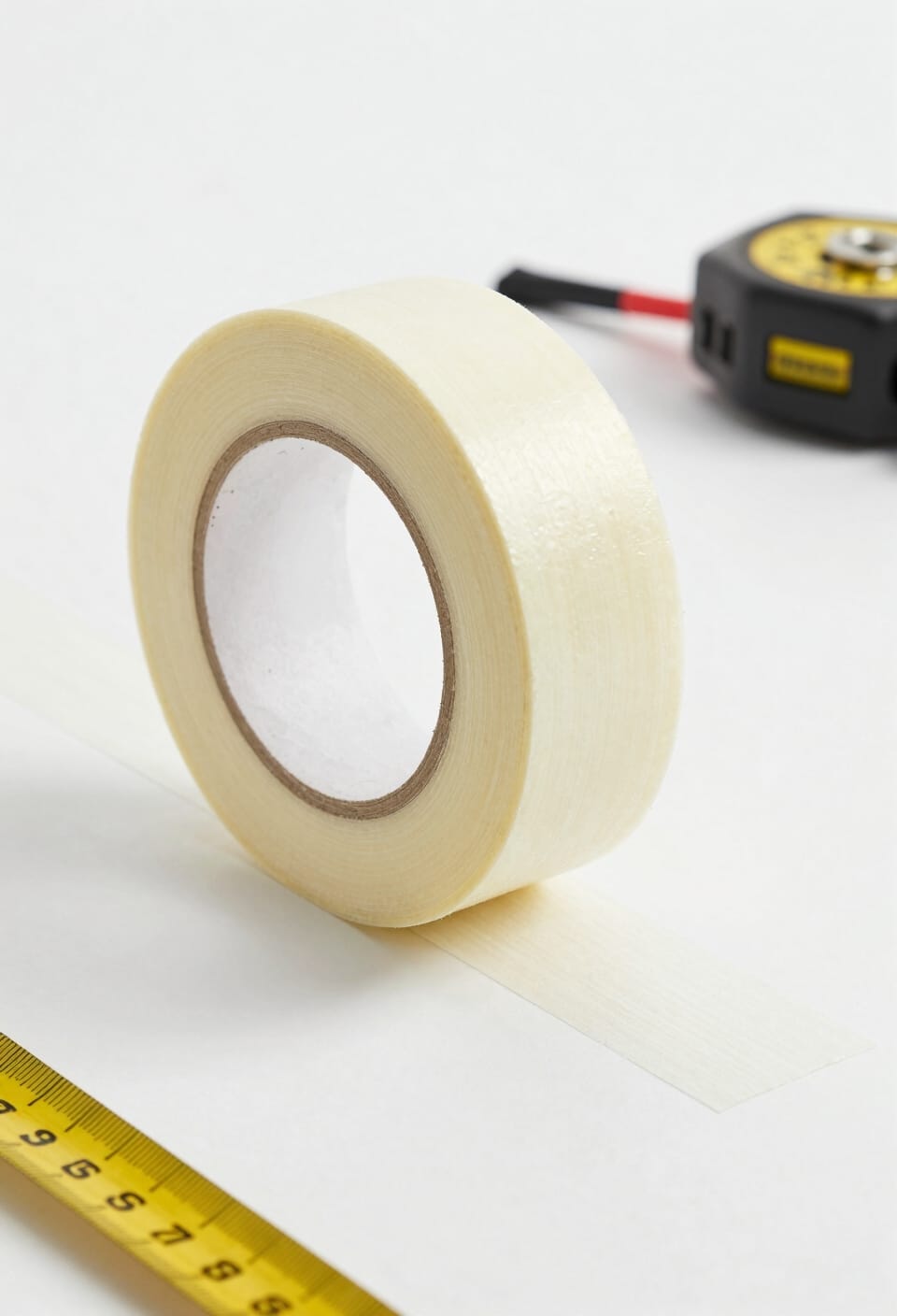
Applying tape can feel like a straightforward task, but how often have you ended up scrubbing away sticky residue afterward? If you’ve faced that annoyance, you’re not alone! Here’s what to keep in mind next time you need to tape something up.
First off, pick the right kind of tape. Have you heard about 14-Day Edge Tape™ or 90-Day Edge Tape® from Ram Board? They’re designed for clean adhesion and easy removal, making them solid choices for your projects.
Before you dive into taping, it’s a good idea to prepare the surface. Make sure it’s dry and clean; this simple step boosts how well the tape sticks and reduces the chances of residue being left behind.
Wondering if a specific kind of tape will work well on your flooring? Just test it out on a small, hidden spot first. It’s better to be safe than sorry!
Another tip: avoid using strong adhesives or standard masking tapes. They’re notorious for leaving sticky spots behind. Instead, stick to tapes that are meant for easy removal.
Lastly, don’t forget about timing. It’s smart to change your tape within the recommended period. Letting it sit too long can lead to it hardening, turning your easy tape job into a hassle.
Using products with protective sealants can help prevent difficult residue buildup during prolonged use.
How to Safely Remove Tape After Use?
Have you ever struggled with removing tape from your floors or walls? It can be a real hassle if you’re not careful. Here’s some straightforward advice to help you tackle that tape without ruining your surfaces.
Start by peeling slowly. When you remove the tape, do it at a 45-degree angle. This technique helps reduce damage while keeping adhesive residue to a minimum. If you find the tape stubborn, don’t hesitate to work in sections. Breaking it down into smaller parts can make the whole process feel a lot more manageable.
Need a little extra help? Try this: warm up tougher tapes, like Pro Tape™, with a hair dryer set on low. A bit of heat can work wonders, loosening the adhesive so the tape comes off more smoothly.
Time is also a crucial factor here. If you’re using something like 14-Day Edge Tape, make sure to remove it within that window. Waiting too long can lead to sticky leftovers, and trust me, that’s not what you want.
If residue remains after you’ve pulled off the tape, don’t panic. You can clean it up using a gentle adhesive remover or some rubbing alcohol. Just remember to always test these cleaners on a hidden spot first—better safe than sorry!
For best results, always choose tape with clean removal capability tailored to your project’s surface and timeline.
In the end, removing tape doesn’t have to be a daunting task. Just follow these simple tips, and you’ll keep your flooring looking great. How do you usually handle tape removal?
Non-Adhesive Options for Floor Protection Strategies
Have you ever worried about protecting your floors during a big project or even daily wear and tear? It’s a real concern, and if you’re looking to keep your floors safe without any sticky mess, non-adhesive options might be just what you need. Let’s dive into some practical choices that really work:
- Corrugated Cardboard: A simple yet effective option. You can lay down overlapping sheets to create a buffer against impacts, all without using any adhesive products.
- Tempered Hardboard: This stuff is pretty sturdy. When you pair it with foam underlayment, it creates a great defense against heavy foot traffic without needing adhesives.
- Duct Tape: Now, I know duct tape can sometimes feel like a crutch, but if you’re careful and use it sparingly, it can help keep seams of overlapping materials secure. Just be sure it doesn’t leave any sticky residue behind.
- Washable Non-Skid Drop Cloths: These are a lifesaver! Unlike some heavier options, they’re easy to wash and can shield your floors without the worry of adhesive damage.
- Original Seam Tape: If you’re looking to secure seams better, choose versions that don’t have adhesives. It’s a great way to enhance floor protection without the mess.
For added protection, consider using canvas drop cloths, which offer excellent absorbency and durability for various floor protection needs.
Frequently Asked Questions
What Floor Tape Doesn T Leave Residue?
For floor protection solutions, we suggest using low-tack masking tape brands or duct tape alternatives. Let’s perform surface compatibility tests to compare adhesive properties, ensuring we choose a residue-free option for our project!
Is There a Tape That Doesn’t Leave Residue?
When we think about safe flooring, we appreciate residue-free options. There’re adhesive differences in taping; our favorites offer temporary solutions that protect floors while ensuring easy, clean removal—so we can keep our spaces pristine.
Does Floor Tape Leave Residue?
Floor tape can leave residue if we choose the wrong adhesive tape types. By testing flooring material compatibility and using proper tape application techniques, we can guarantee residue-free solutions for our projects. Let’s make informed choices!
How to Clean Floors Without Leaving Residue?
We can achieve residue-free cleaning by using gentle cleaning techniques tailored to our floor surface types. Opting for the right cleaning products and effective cleaning methods will give us the best results without any unwanted residue.


