As an Amazon Associate, we earn from qualifying purchases. Some links on this site are affiliate links at no extra cost to you. Our recommendations are based on thorough research and editorial judgment.


How to Prevent Dust From Contaminating Paint (Brush and Bucket Hygiene)

Ever tried to touch up a paint job only to find it full of pesky dust specks? It’s frustrating, right? To keep your painting project smooth and clean, brush and bucket hygiene needs to be a top priority. Here’s how to keep that paint free from contamination:
First off, clean your brushes and rollers right after you’re done using them. Letting paint dry on them is just asking for trouble later on. If you’re working with water-based paints, warm water does wonders. For oil-based paints, a bit of mineral spirits will do the trick.
Next, consider how you’re storing your brushes. Storing them vertically helps maintain their shape and keeps them dust-free. If you toss them into a drawer or box, you might end up with bristles bent and picking up dirt.
It’s also super important to keep your workspace tidy. Regularly clean up any dust or debris and cover anything you’ve painted until it’s dry. Trust me—keeping your environment clean makes a big difference.
So, why does this matter? A little effort towards keeping your tools and workspace clean can lead to a much more enjoyable painting experience.
Remember, taking care of the small things, like brush hygiene and dust prevention, will help you achieve that flawless finish.
Have you ever thought about the impact your workspace has on your projects? Keeping it tidy not only saves you time but also gives you peace of mind.
Key Takeaways
- Clean brushes and rollers immediately after use to remove paint residue and prevent dust buildup.
- Store brushes vertically in an airtight container to maintain shape and keep them dust-free.
- Cover brushes with plastic wrap during breaks to protect them from dust contamination.
- Use a HEPA air purifier while painting to minimize airborne dust in the workspace.
- Wipe down surfaces and tools with a damp cloth before painting to eliminate settled dust particles.
Essential Brush Cleaning Techniques for Dust Prevention

To keep dust from messing up your painting projects, it’s crucial to have some solid brush cleaning techniques in your back pocket. Have you ever started painting only to be distracted by specks of dust? Here’s how to tackle that concern.
First, clean your brushes right after you’re done using them. It makes a big difference in getting rid of dust particles and leftover paint. You don’t want to find yourself in a situation where the brushes you saved for tomorrow mess up your fresh painting efforts.
Now, choosing the right cleaning solution is key. If you’ve been working with water-based paints, warm water is your best go-to. For oil-based paints, don’t forget the mineral spirits. Just a heads up—letting paint dry can lead to bigger problems later on.
Next, think about how you store your brushes. Reshaping the bristles after cleaning and hanging them vertically keep them in great shape and help prevent dust from settling. Have you tried covering your brushes when you plan on taking a short break? A simple layer of plastic wrap can save you trouble and keep the dust away.
Ever heard about brush conservation gel? It’s a neat little trick. Just dip the bristles in the gel, wipe off the excess, and you can lift off dust without harming the paint itself. Honestly, it’s worth keeping in your toolkit.
For added protection while painting and cleaning brushes, consider using a NIOSH-approved respirator to prevent inhaling dust and fumes.
Recommended Products
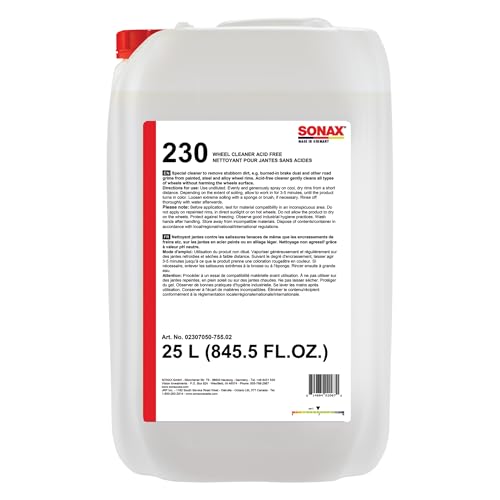
ENHANCED CLEANING POWER: 30% stronger than SONAX Wheel Cleaner Full Effect, delivering faster and more effective removal of tough, caked-on grime and dirt from wheels.

CITRUS GEL SPOTTER 5817: A heavy-duty emergency multi-surface stain remover that quickly treats and dissolves grease, dirt, pet stains, and more from hard and soft surfaces. Vanquish deeply-penetrated spots, spills, and stains that a simple carpet cleaner cannot lift. This potent thick gel formulation softens and removes even the most stubborn messes quickly!

High-Fidelity Belt-Drive Turntable: The Audio-Technica AT-LP70X-BZ is a fully automatic belt-drive turntable featuring 33-1/3 and 45 RPM playback, an integrated AT-VM95C Dual Moving Magnet cartridge with replaceable stylus, a J-shaped tonearm for accurate tracking, a three-piece anti-resonance chassis, a die-cast aluminum platter with felt mat, and a built-in switchable phono preamp for clean, detailed analog sound through powered speakers or home audio systems.
Dust Control Strategies for Your Workspace

Creating a clean workspace during your painting projects can feel like a daunting task. But trust me, it doesn’t have to be. Here are some dust control strategies that really make a difference:
- Invest in a HEPA air purifier: Running one of these guys continuously can significantly cut down on airborne dust and generally make the air in your space feel fresher. It’s worth the investment if you’re serious about your projects!
- Keep your space tidy: It’s easy to overlook areas like windowsills and shelves, but regular cleaning of these spots really does reduce dust buildup. Set a reminder to do a quick clean-up before you dive into a painting session.
- Mist the area with water: Before you start painting, try lightly misting the booth with clean water. It lowers the dust in the air and keeps things from getting messy. Really, it’s a simple step that can save you a lot of trouble.
- Opt for nylon clothing: Choosing nylon for your painting attire means less lint and dust floating around. It’s a small change, but it can have a positive impact on your workspace.
- Store painted parts properly: After painting, place your items in a mostly covered case. This keeps them protected from dust as they dry, which is crucial if you’re looking for a clean finish.
Additionally, wearing a NIOSH-approved respirator helps protect you from inhaling fine dust particles during sanding and painting, promoting safety alongside cleanliness.
These straightforward practices can help keep your projects dust-free. So, why does this matter? Less dust means less hassle in the long run! What strategies do you use to maintain a clean workspace?
Recommended Products

IDEAL FOR BEDROOMS, KITCHENS & LIVING ROOMS Ideal for large bedrooms, kitchens, and larger shared spaces. Rapidly cleans 630 ft2 in 15 minutes & up to 2,520 ft2 in 1 hour, delivering consistent purification where you sleep, work, and relax.

JAPANESE LED PHOTOCATALYST TECHNOLOGY - Unlike traditional air purifiers that only trap particles, Kaltech’s LED photocatalyst actively decomposes harmful organic substances—including VOCs, smoke, odors, and pet allergens—at the molecular level. Tested for effectiveness by the University of Tokyo, Nihon University, and RIKEN Laboratory in Japan. [IMPORTANT]***Wall-Mount Version – Main Unit Only (Stand Not Included). Stand sold separately (ASIN: B0B9HV8S86)***

IDEAL FOR BEDROOMS, KITCHENS & LIVING ROOMS Ideal for large bedrooms, kitchens, and larger shared spaces. Rapidly cleans 630 ft2 in 15 minutes & up to 2,520 ft2 in 1 hour, delivering consistent purification where you sleep, work, and relax.
Common Dust Management Mistakes to Avoid

When it comes to managing dust, we’ve all made mistakes that can ruin our hard work. It’s easy to overlook the small stuff, but those small things can have a big impact on your projects.
Neglecting to clean your painting tools can lead to a buildup of dust that makes your brushes less effective. Try this: clean your brushes right after you use them. It might seem tedious, but it’ll save you time and hassle down the road.
Using standard brushes? You might want to switch to anti-static ones. They do a better job at getting rid of those pesky unseen dust particles before you even start painting.
Ever left painted parts uncovered while drying? That’s a mistake I’ve learned from the hard way. Always cover your projects while they dry; it’s the best way to prevent dust from settling on that still-wet paint.
Don’t ignore your storage solutions, either. Using covered cases can really minimize dust build-up on dried painted parts. It’s simple, but it makes a world of difference.
And let’s talk about your workspace. A clean workspace is essential for keeping everything in good condition. Make it a habit to clean regularly; it really helps prevent rust and keeps your work area inviting.
Additionally, choosing tools with ergonomic designs can reduce hand fatigue and maintain better control, enhancing the overall cleanliness and precision of your work.
Recommended Products
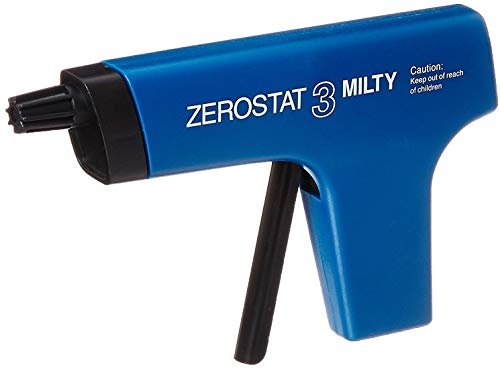
Effectively neutralizes static without sprays

Ultra plush wheel brushes that remove corrosive brake dust safely

Matin Brand New - Anti Static Control Brush - High Grade type
Practical Strategies for Dust-Free Post-Painting Cleanup
Maintaining a dust-free environment after painting is super important if you want that professional finish. What’s the point of putting in all that effort if the final look is marred by dust? Here are some practical strategies for cleaning up after your painting project:
First off, clean those brushes and rollers right away. It’s easy to forget, but leaving paint residue can turn your tools into hard lumps of uselessness. Just rinse them under running water with some mild soap or the right solvent. Trust me, you’ll thank yourself later when they’re ready for your next project.
Wiping down surfaces is another key step. Grab a damp towel and give your entire painting area a quick once-over. This will help catch any dust particles that decided to settle after your hard work. So, why does this matter? A clean canvas makes all the difference when it comes to that shiny finish.
After you’ve cleaned everything, think about storage. When you’re done, it’s best to keep your brushes and rollers in a dust-free place. An airtight container is perfect, or you can store them upright, bristle-side up. This not only keeps them clean but also maintains their shape for future use.
Once your painted items are set, cover them up. Use a mostly closed case or a box to protect them until they’re completely dry. It’s a simple step that can save you from a surprise dust speck or two ruining your masterpiece.
Maintaining a tidy workspace while you work is equally important. Regularly clean your painting area and consider using a HEPA filter air purifier to really keep the dust at bay. Honestly, a clean environment makes all the difference and keeps you focused on the task at hand.
Using disposable dust masks with 95% filtration efficiency can also protect you from inhaling harmful dust during cleanup.
In short, a little cleanup goes a long way in ensuring the quality of your paint job. So, what strategies have you found helpful in keeping your space dust-free?
Recommended Products

Made of high quality tempered glass and exquisite heart-shaped metal frame, more transparent, wear-resistant and not easy to turn yellow compared with ordinary acrylic material, smooth surface and easy to clean

Elegant Tempered Glass Design:Crafted from premium tempered glass, the makeup organizer countertop offers luxurious style and lasting durability.
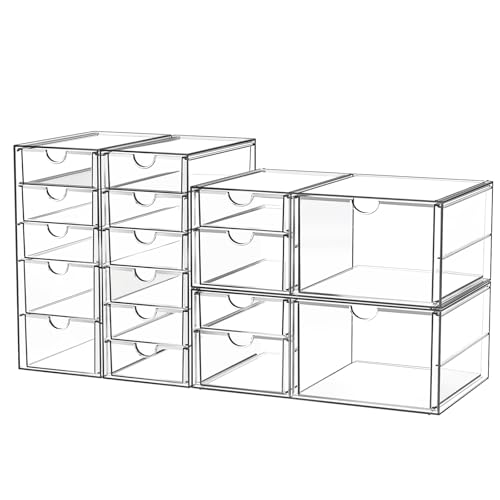
Acrylic makeup organizer with 17 Drawers: Our Acrylic makeup bathroom organizer can maximize space on shelves, dressers ,under the sink, and bathroom counters. There are 17 drawers in total, it’s perfect to organize all your messy items into section, and very easy to take. You can also use them side by side, put your small objects on top of acrylic bins to make your countertop space more tidy. And 4 Pack storage bins with 17 drawers are also enough for you to place in multiple places, very good value.
Maintaining a Dust-Free Environment After Painting
Have you ever finished painting a room only to find that pesky dust has settled on your freshly painted surfaces? Nothing’s worse than seeing specks compromising your hard work. Keeping a dust-free environment while painting is key to achieving that perfect finish, and it’s easier than you might think.
Start by making regular cleaning a part of your routine. A damp cloth or mop can do wonders, not just during the painting process but also before you even pick up a brush. Trust me, a clean workspace makes all the difference.
Another tip to consider: get yourself a HEPA air purifier. Running one while you paint (and even after) can really help capture those annoying dust particles floating in the air. This keeps your painted surfaces safe and sound.
Once you’ve finished spraying, don’t just walk away! Cover those freshly painted areas immediately with boxes or cases. If dust has time to settle, it’ll ruin your beautiful work.
Don’t forget about your drying area; it should be a clean, covered space to keep your painted items safe. Using drying racks is a great way to ensure that nothing gets disturbed while everything dries.
Choosing the appropriate drop cloth size for your workspace also helps prevent dust from contaminating painted surfaces.
These simple practices can make a huge difference in maintaining a dust-free zone. So, what tips have you found helpful when painting?
Recommended Products

Multiple Filtration: DecDust V2 Pro Air scrubber commercial with 3-stage filter system, used with pre-filter, HEPA filter which captures 99.97% of 0.3-micron airborne particles such as smoke, pet dander, wood chips, and debris allergens, etc. Heavy-duty air scrubbers are ideal for use in large commercial spaces to improve air quality.

WHOLE-HOME AND EXTRA LARGE ROOM COVERAGE Designed for open floor plans and whole-home air purification. Rapidly cleans 1,043 ft2 in 15 minutes & up to 4,172 ft2 in 1 hour, delivering consistent purification where you sleep, work, and relax.

INDUSTRY-LEADING CLEANING POWER - iAdaptAir has one of the highest clean air delivery rates (CADR) on the market: Pro size boasts 706 CFM. Covers 5,474 sq. ft. in one hour or 1,059 sq. ft. with 5 air exchanges per hour.
Frequently Asked Questions
What Is Grandmas’ Simple Trick to Eliminate Dust?
Grandma’s genius solution for dust reduction is simple: damp cloths for surface preparation. By employing cleaning supplies and DIY solutions, we can create an ideal environment for paint application, enhancing ventilation techniques and minimizing particles.
How to Control Dust in Paint Booth?
To control dust in our paint booth, we utilize effective dust control methods like air circulation techniques, implement filtration systems, maintain humidity levels, perform thorough surface preparation, and follow cleanroom standards with proper equipment maintenance and protective covers.
How to Sanitize Face Paint Brushes Between Clients?
In our vibrant garden of creativity, brush cleaning blooms. We must wield sanitizing solutions like warriors, ensuring client hygiene and diligent brush care with disinfecting wipes, proper storage, and paint application techniques, nurturing germ prevention daily.
How to Avoid Dust When Painting?
To avoid dust when painting, we should focus on paint preparation, surface cleaning, and using protective coverings. Utilizing ventilation techniques and dustless tools while managing humidity will enhance workspace organization for smoother finishing touches.


