As an Amazon Associate, we earn from qualifying purchases. Some links on this site are affiliate links at no extra cost to you. Our recommendations are based on thorough research and editorial judgment.

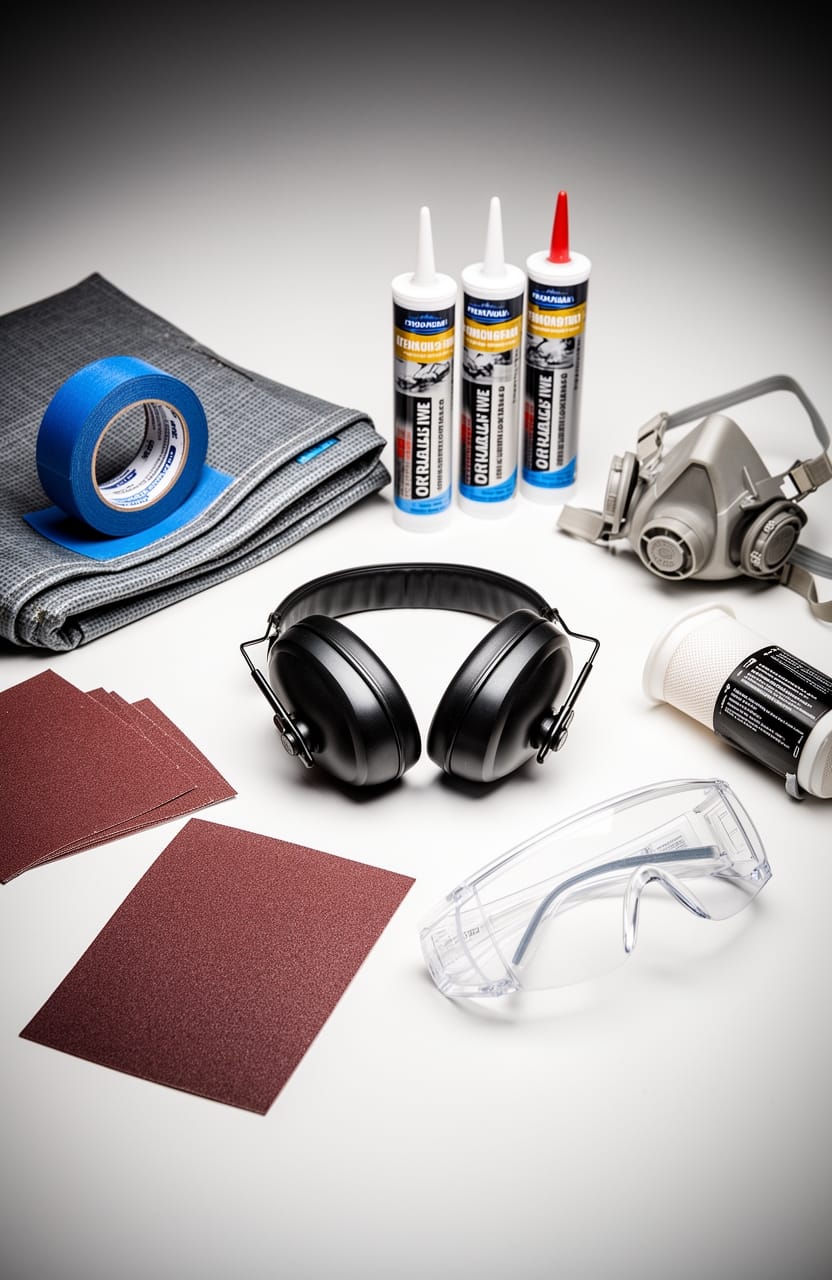
Hearing Protection for Sanding Tools: When You Need It

Sanding tools can seriously crank up the noise. If you’re working with stuff that hits over 85 dB, it’s time to get some hearing protection on. Trust me, ignoring this can lead to ear ringing or, worse, permanent hearing loss. Nobody wants that!
When it comes to hearing protection, aim for a Noise Reduction Rating (NRR) above 25 dB. Over-ear earmuffs tend to give better sound isolation compared to earplugs, making them a smart choice for your workshop.
Plus, comfortable protection is key; if it feels good, you’re more likely to wear it consistently.
So, why does this matter? Because protecting your ears while sanding isn’t just about avoiding a temporary annoyance; it’s about preserving your hearing for the long haul.
Here’s the trick: find options that fit well and are easy to wear for extended periods. Do some research on the types available, the benefits they offer, and how to use them effectively.
The best part is that it doesn’t have to be complicated!
Stay safe out there, and remember, your ears are worth protecting. What’s your go-to strategy for keeping safe while working?
Key Takeaways
- Use hearing protection when working with sanding tools, as noise levels often exceed 85 dB, risking hearing damage.
- If you experience ringing in your ears after use, it’s a sign of potential hearing loss and indicates the need for protection.
- Choose hearing protection with a Noise Reduction Rating (NRR) above 25 dB for effective safeguarding against harmful noise.
- Over-ear earmuffs provide better sound isolation than earplugs and are ideal for high-noise environments.
- Ensure comfort and proper fit in hearing protection to promote consistent use and minimize distractions from noise.
Why You Must Use Hearing Protection While Sanding
Have you ever noticed how loud it gets when you’re sanding? It can be really enjoyable to work on your woodworking projects, but the noise level can also pack a punch when it comes to your hearing. Honestly, if you’re not using hearing protection, you might be putting your ears at risk. With noise levels often exceeding 85 dB, it’s something to take seriously.
Using hearing protection is key to preventing:
- Ear ringing, which can stick around even after you’re done (tinnitus)
- Permanent hearing loss that sneaks up on you over time
So, what can you do? There’s a range of hearing protection options out there that can really make a difference. For instance, ISOtunes products designed for woodworking offer noise reduction ratings up to 29 dB. This level of protection? It’s pretty solid for keeping those harmful sound levels at bay while you sand away. Plus, if you like to jam out to music or learn through tutorials, Bluetooth-enabled earmuffs let you do just that without putting your ears on the line.
Truth is, protecting your hearing is really about making sure you can keep enjoying your hobbies without worrying about long-term damage. Why risk your health when you can safeguard your ears and still have fun with your projects? It’s a simple step that goes a long way!
Also, working with wood repair often involves using tools and materials that require care, including wearing hearing protection during the sanding process to ensure safety and comfort.
The Risks of Neglecting Ear Safety in the Workshop
Neglecting ear safety in the workshop is a real issue that many DIY enthusiasts don’t think about. Ever noticed how loud those sanding tools can get? Prolonged exposure can blast noise levels over 85 dB. That’s when the risk of irreversible hearing loss starts creeping in, especially since sound can peak at 95 to 100 dB. So, let’s talk about why protecting your ears should be top of mind.
First off, there’s something called cumulative damage. This isn’t just about one loud noise; it’s the regular exposure that alters your hearing over time. You might not notice it at first, but gradually, it changes your auditory experience. Think about it—how often do you spend hours in the workshop?
Now, consider the immediate risks. Short bursts of sound above 120 dB can cause instant ear damage. That’s not just scary—it’s a real threat to your hearing health. Protecting yourself needs to become a habit, not an afterthought.
Here’s the trick: finding comfortable hearing protection makes a huge difference. You’re way more likely to use it consistently when it doesn’t feel like a chore. Whether you’re sanding, cutting, or drilling, make it a point to wear those earplugs or earmuffs every single time.
Honestly, investing in quality hearing protection is like taking an insurance policy on your ears. Protecting your hearing while using those noisy tools isn’t just smart; it’s essential. So, what are you waiting for? Don’t let your ears pay the price for a bit of noise.
Additionally, combining hearing protection with proper respiratory gear ensures comprehensive safety in dusty and noisy workshop environments.
Signs You Need Hearing Protection for Woodworking
Many woodworkers don’t realize the potential harm they might be doing to their hearing while they’re focused on their projects. Have you ever come away from a long day in the workshop feeling like your ears are stuffed with cotton? It’s a good idea to keep an eye—well, an ear—on some signs that could indicate you need hearing protection when you’re crafting away.
Excessive Noise Levels: Let’s face it, if your sanding tools are blasting away at over 85 dB, you really should be thinking about grabbing some ear protection. It’s not just about being comfortable; it’s about preserving your hearing for the long run.
Persistent Ringing: Have you noticed any ringing in your ears after a session at the workbench? That’s a warning sign; it means your ears might have taken a hit from all that noise.
Difficulty Hearing: You know those moments when you’re trying to hear a conversation, but it feels like you’re straining to get the words? That could be your ear’s way of telling you something’s not right. If machines start sounding like background noise, it’s time to pay attention.
Immediate Pain: If you’re ever exposed to sounds that exceed 120 dB—like certain power tools—you might feel immediate discomfort. Trust me, that’s a clear signal to take action now to protect those precious ears of yours.
So, what can you do? Try using effective hearing protection that can help reduce noise exposure by up to 29 dB. There are products on the market designed specifically for woodworkers that can make a real difference.
Additionally, wearing masks with adjustable ear loops and proper fit can help reduce discomfort from dust while you focus on protecting your hearing.
In short, being aware of these signs can be vital in avoiding long-term damage. What’s your go-to method for protecting your hearing while you’re in the zone?
Choosing the Right Hearing Protection for Sanding – Here’s How
When you’re sanding, protecting your hearing should be at the top of your list. So, how do you find the right gear?
First, consider the Noise Reduction Rating (NRR). Aim for an NRR above 25 dB. This level should really help knock down the racket from sanding tools. Sound levels can escalate quickly in a workshop, so don’t take any chances.
Next, think about the type of protection. Over-ear earmuffs tend to provide better sound isolation than in-ear plugs, especially during those lengthy sanding stints. If you’re planning to be at it for a while, comfort matters.
Speaking of comfort, check how the protection fits. It should fit snugly but not too tight and shouldn’t weigh you down. You want to feel comfortable while you work, right?
Also, some options come with additional features. Ever thought about listening to music or podcasts while you work? Certain models offer Bluetooth tech that lets you enjoy sound while keeping the noise out.
Choosing hearing protection that is easy to clean and maintain, similar to how clean-up ease is important when using paint removers, can extend the life and hygiene of your gear.
Benefits of Bluetooth: Listening While You Work Safely
Are you tired of dealing with annoying noise while you’re sanding? Bluetooth-enabled hearing protection might just be what you need. It’s not just about blocking out sound; it offers a handful of real perks that can make your work experience a whole lot better.
First off, let’s talk about hands-free calls. You can take important phone calls without having to take off your gear, which keeps you both safe and connected. How handy is that when you’ve got your hands full and need to stay in touch?
Here’s the trick: look for devices that come with SafeMax™ Technology. They keep the sound under 85 dB, which is nice because it hits the safety regulations set by OSHA. This means you can enjoy your tunes or podcasts without risking your hearing.
Another major point is noise reduction. Some Bluetooth hearing protection provides an NRR of up to 29 dB. That’s impressive for blocking out those loud sanding tools that can be a real annoyance on the job.
Speaking of entertainment, why not listen to music, podcasts, or even a tutorial while you work? It not only makes the time fly but also enhances your productivity and keeps you engaged with what you’re doing. And honestly, who doesn’t like working to a beat?
Feeling tired from repetitive work? Combining solid noise reduction with your favorite tunes can help you push through without feeling extremely worn out by the end of the day.
The best part is, using Bluetooth hearing protection allows you to keep your ears safe while making your work a lot more enjoyable. Additionally, some hearing protectors include lightweight flexible frames that maximize comfort during long use. Sounds like a win-win, right? What kind of music or podcast would you listen to while sanding?
Earmuffs vs. Earplugs: Which Provides Better Comfort?
Are you tired of dealing with noisy environments while sanding? Choosing the right hearing protection can make a world of difference in your comfort and safety. Let’s break down the choices between earmuffs and earplugs.
Earmuffs are often a solid option. They come with a pretty high Noise Reduction Rating (NRR) that ranges from 26 to 37 dB. However, keep in mind that they can be a bit bulkier, which may lead to discomfort if you wear them for long time periods. They do have the advantage of better sealing against high-frequency noise. Plus, some even come with cool features like Bluetooth for listening to music while you work.
On the other hand, earplugs are lightweight and usually more comfortable for extended wear. They’re easy to toss in and take out whenever you need to. But here’s the downside: they might not always fit snugly, so their effectiveness can take a hit. Adjusting or replacing them for the perfect fit is pretty straightforward, though.
When selecting hearing or respiratory protection, it’s important to consider comfort and fit features, such as adjustable straps and lightweight designs, to ensure prolonged effective use.
So, what’s the takeaway? It really comes down to personal comfort, the level of noise you’re dealing with, and the specific sanding task at hand. You might find it beneficial to try both earmuffs and earplugs to see which one feels right for your needs.
In the end, the right choice can elevate your sanding experience and keep that pesky noise at bay. Do you think you’ll give one a try?
How Hearing Protection Boosts Focus and Productivity in the Workshop
Are you struggling to concentrate in the workshop because of all the noise? You’re not alone. The roar of sanding equipment can push noise levels up to 85 dB, which isn’t just annoying – it can really hurt your hearing over time. That’s where effective hearing protection comes in to save the day by keeping distractions at bay so you can focus on what matters.
Let’s talk about some benefits of using hearing protection:
- Noise Reduction Rating (NRR): Look for an NRR of at least 25 dB. This is key for blocking out sound effectively.
- Bluetooth Features: Imagine being able to listen to your favorite podcasts or tunes while you work. Some hearing protection devices come with Bluetooth, making it easier to stay engaged and entertained.
- Comfort: If it’s comfortable, you’re more likely to wear it. Finding the right fit means you’ll be more aware of those pesky noise hazards without it becoming a chore.
So, why does this matter? Keeping your ears safe isn’t just about hearing. It’s about being able to give your full attention to the task at hand. When you’re not constantly distracted by noise, your productivity can really soar.
Truth is, investing in good hearing protection is a straightforward way to enhance your workshop experience. You’ll find that focusing on your work becomes easier and more enjoyable. Don’t underestimate the power of a little quiet – it can make all the difference. Additionally, pairing hearing protection with ANSI Z87.1 certified safety glasses can provide comprehensive protection in noisy and hazardous woodworking environments.
Best Hearing Protection for Woodworking
When you’re in the workshop, have you ever thought about how loud your tools can get? Many times, the noise you hear exceeds 85 dB, which is where hearing protection becomes super important. It’s not just about comfort, it’s about protecting your ears from long-term damage. Here are some solid options you might want to consider:
- ISOtunes FREE 2.0 & PRO Aware 2.0: These are great picks if you need comfort and noise reduction, especially during those marathon sanding sessions.
- 3M WorkTunes Connect: I really like this one because it has Bluetooth. You can listen to your favorite tunes or catch up on handy tutorials while it cuts ambient noise by 26 dB.
- Decibel Defense earmuffs: If you’re worried about really loud machines, these are effective. With an NRR of up to 37 dB, they do a fantastic job of insulating against noisy equipment.
Choosing over-ear models with padded cushions isn’t just about protecting your ears; it’s also about making sure you can wear them comfortably for hours. When you dive into a woodworking project, having the right hearing protection is essential for both safety and enjoyment. Proper fit and comfort, much like with dust masks for sanding, are key to ensuring you wear hearing protection consistently and effectively.
Tips for Wearing Hearing Protection Effectively
Are you tired of ear-splitting noise ruining your woodworking projects? It’s easy to focus on the tools we use, but let’s not overlook the importance of wearing hearing protection properly. Here are some solid tips to help you stay safe while you work.
First, make sure you’ve got the right gear. Look for hearing protection with a Noise Reduction Rating (NRR) of at least 26 dB. This doesn’t just do the job; it does it well.
When it comes to comfort, fit is everything. You want earmuffs or earplugs that feel good, especially if you’re in the shop for hours at a time. If it’s uncomfortable, you won’t wear it—and that’s not worth the risk.
Ever thought about Bluetooth options? They’re pretty handy. With Bluetooth-enabled hearing protection, you can listen to your favorite music or podcasts while working, but remember to keep the volume safe. You don’t want to trade one hazard for another.
Regular maintenance is a must. Checking your hearing protection often ensures there’s a proper seal, which means you’re getting the most noise reduction possible. A quick inspection can make a big difference.
And for all the woodworking fans out there, consider passive noise-canceling earmuffs. They’re designed to block out those higher noise levels, and they can really help you focus on your craft.
Additionally, using tools with ergonomic designs can reduce overall fatigue, helping you maintain safety and comfort throughout your work.
In short, wearing hearing protection the right way is just as important as using the right tools. So, have you tried any of these tips yet? Keeping your ears safe is just common sense!
Frequently Asked Questions About Hearing Protection?
What should you keep in mind about hearing protection while sanding? Let’s dive into some common questions and their answers.
- Why is hearing protection important? Sanding tools can crank out noise levels over 85 dB, which can lead to hearing loss if you’re not careful. So, why does this matter? Protecting your hearing is crucial in the long run—once it’s gone, you can’t get it back.
- What NRR should we look for? When shopping for hearing protection, aim for a Noise Reduction Rating (NRR) of at least 26 dB. This will help ensure that the loud sounds don’t wreak havoc on your ears.
- Can we listen to music while sanding? Absolutely! Bluetooth-enabled hearing protection allows you to listen to your favorite tunes or podcasts while you work. It’s a great way to make those long sanding sessions a bit more enjoyable.
- How can we verify comfort? Finding hearing protection that feels comfortable is key. If it’s too bulky or irritating, chances are you won’t want to wear it for long. Look for options with cushioning or adjustable features that make it easier to wear throughout your projects.
Additionally, consider using hearing protection materials with proven long-lasting durability to maintain effective noise reduction over time.
Frequently Asked Questions
Do You Need Ear Protection for Sanding?
Yes, we definitely need ear protection for sanding. The sanding noise can cause hearing damage even after short exposure. It’s essential we prioritize our hearing health during those loud, extended sessions to avoid long-term issues.
What Is the 60-60 Rule in Audiology?
Let’s talk about the 60-60 rule: it’s an audiology basic designed to guard against hearing loss. We should listen at 60% volume for no more than 60 minutes, taking breaks for ear recovery after.
Which Hearing Protection Is Used for Tool Usage?
For tool noise, we use over-ear earmuffs or foam earplugs to guarantee hearing safety. These options effectively reduce harmful sound levels, allowing us to work safely while protecting our hearing during noisy tasks.
Is 27 dB Noise Reduction Good for Shooting?
Imagine a jet engine roaring nearby—140 dB. With 27 dB noise reduction, shooting safety improves, dropping levels to about 113 dB. It is understood that using adequate protection keeps our hearing intact during intense sessions.


