As an Amazon Associate, we earn from qualifying purchases. Some links on this site are affiliate links at no extra cost to you. Our recommendations are based on thorough research and editorial judgment.


Tooling Caulk: Finger vs. Tool vs. Sponge (Which Works Best?)

When you’re working with caulk, you might be wondering how to get that perfect finish. You’ve got three choices for tooling: using your finger, a specialized tool, or a sponge. Each method has its perks.
Using your finger can be a go-to for small or tricky spots. It lets you feel what you’re doing, but be careful—it can also lead to an uneven look.
If you’re tackling larger areas, consider pulling out a tool. These give you nice, sharp lines. Tools with smoothing spatulas and angled edges can really help achieve that professional edge you want.
On bigger surfaces, a sponge shines for quick smoothing. It’s all about making the process easier for you.
So, which one should you go for? Honestly, combining these methods often results in the best outcome.
Try using a finger for tight spaces and then smooth everything out with a tool or sponge. That way, you’ll cover all your bases and end up with a finish that looks intentional.
Remember, every project can be a little different, so don’t hesitate to experiment! What techniques have you found most useful?
Key Takeaways
- The wet finger technique is great for awkward corners, providing smooth finishes but may lack precision for larger projects.
- Smoothing tools offer better control and precision, creating clean, professional-looking caulk lines ideal for detailed work.
- Sponges accelerate the process on big surfaces, excellent for quick jobs but may compromise on fine detail.
- Combining techniques, like using a sponge after tooling, can enhance the finish by removing excess caulk and smoothing imperfections.
- Experimenting with different methods helps determine the best approach based on project specifics and desired results.
Choosing the Right Technique for Different Caulking Jobs

When it comes to caulking jobs, figuring out the best technique can be a bit tricky, right? Every project has its own little quirks. Here are some methods that I’ve seen work well:
- Rubber Caulking Tools: If you need precision and sharp lines, these tools are your best bet. They’re great for larger projects or anywhere you want a uniform width. You won’t regret having them in your toolkit!
- Wet Finger Technique: This one’s excellent for those awkward corners or curves. By keeping your finger wet with soapy water, you avoid dragging and sticking. The result? A smoother finish and a lot less frustration.
- Sponge: If you’re working on big surfaces and time is of the essence, a sponge can really speed things up. However, keep in mind it might not give you the sharp edges you want, so it’s best for quick jobs where detail isn’t a priority.
For optimal results, consider using ergonomically designed caulking tools that reduce hand fatigue and improve control.
Recommended Products


Anti-Vibration System for Comfortable Operation - Built-in anti-vibration features ensure reduced noise and minimal vibration, allowing for comfortable use during extended work sessions while protecting the user from fatigue.

12V cordless drive 20 oz sausage adhesive caulking gun, with 2" diameter aluminum barrel. Thrust: 400 lbf, Pressure: 125 psi
How Tools Can Help Smooth Caulk

Have you ever tried to caulk and ended up with a messy finish? It can be frustrating when you’re aiming for a polished look but end up with uneven lines. The good news is, there are tools that can really help you achieve that smooth caulk finish you’re after.
Smoothing spatulas are a must-have. These handy tools let you shape caulk joints with precision, giving you those clean lines that look so professional on various surfaces. If you’ve had trouble getting into tight spots, angled edging tools are your friends. They make it easier to get the results you want, even in those tricky areas where your fingers just won’t fit.
Curved tools are fantastic, especially for those deep corners that can be a pain. They allow you to create a seamless finish, which can really elevate the whole look of your project. One of the big advantages of using tools instead of just your fingers is that they maintain consistent pressure. This helps reduce imperfections, giving you a much smoother caulk bead.
If you’re struggling with drag, consider wetting your tools with a bit of soapy water or denatured alcohol. It’s a simple trick, but it does wonders. A little extra slip can make all the difference in how smooth your caulk joints turn out. Using silicone caulking tools can also enhance control and provide a durable, water-resistant surface ideal for finishing work.
Recommended Products

CABINET ASSEMBLY: Ove Decors vanities structure are made from sturdy and durable solid wood, fully recommended for bathroom furniture, with premium high quality wood panels for doors and drawers. Just apply silicone caulk to install the countertop and backsplash. Sink is already integrated with the countertop for your convenience.
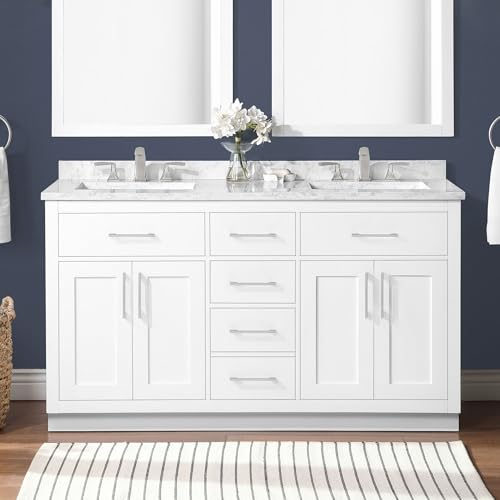
CABINET ASSEMBLY: Ove Decors vanities feature durable solid wood frames and premium panels. Sink is integrated with the countertop. Apply silicone caulk to install the countertop and backsplash. Ideal for bathroom use.

1-Year Ironclad Warranty: Built tough and backed for 12 full months against manufacturing defects under normal use. If it fails, we repair, replace, or refund. (Does not cover theft, vandalism, tampering, or misuse.)
Using Sponges for a Smooth Finish

Smoothing out caulk can feel like a real challenge, especially if you’ve ever ended up with a messy finish. Ever wondered how to get that sleek look without too much hassle? Using sponges might be the answer you’re looking for. Here’s the scoop on how to make it work for you:
Start off with a damp sponge. This little trick helps prevent the caulk from sticking too much, which means you get those smooth lines you’re after. It’s a simple step, but it can make a big difference.
Now, as you smooth out the caulk, try using a gentle, circular motion. This approach can really help minimize those pesky indentations and ensures that you’re left with an even surface. So, why does this matter? Well, nobody wants to deal with a rough finish, right?
One of the best things about sponges is how easily they can adapt to different textures. Whether you’re working on a flat surface or something more contoured, they can provide a uniform look—all without too much fuss. Just be sure to rinse the sponge regularly. This little tip keeps you from accidentally smudging dried caulk back onto your freshly smoothed joint.
For best results, pairing sponges with tools that have an ergonomic design can further enhance comfort and precision during application.
Recommended Products

30-MIN FAST PAINT-READY: Engineered specifically for professional painters and cabinet installers. This advanced water-based formula accepts both latex and oil-based paints in as little as 30 minutes. It creates a seamless, invisible joint that won't flash or discolor your paint job, significantly accelerating your project timeline.

TMS Acoustical Caulk provides impressive soundproofing, significantly reducing noise transmission through walls, ceilings, and floors.

🌹2-3 Times Thickness: Much thicker than ordinary peel & stick tile, 2mm-2.5mm each, durable and solid tile, unlike soft sticker tiles
Troubleshooting Caulking Challenges
Caulking can be a real headache when you’re trying to get that perfect finish. Ever find yourself dealing with a mess or those not-so-pretty indentations along the grout lines? It happens to the best of us, especially when the caulk’s not applied or smoothed out just right. If you want to avoid those indentations, remember to keep a steady hand when you’re tooling the caulk joint.
Let’s talk about masking tape for a moment. Many swear by it for a crisp edge, and honestly, who doesn’t love a clean line? When you apply it, just make sure to peel it off carefully once you’re done smoothing. It really makes a difference in the outcome.
Surface smoothness is also key. If your joint isn’t smooth, it can throw off the whole vibe of your project. Taking the time to properly smooth the caulking will give a seamless look that you’ll be proud of.
Now, about application – is your caulk sometimes looking a bit uneven? If that’s the case, maybe it’s time to try different tools to find what works best for you. You might be surprised at the difference a simple change can make.
And don’t forget about cleaning up as you go. Keeping your hands and tools clean can save you a lot of headaches later on. A quick wipe with a utility knife can prevent that pesky buildup and keep everything looking fresh. Keeping these tips in mind can really elevate your caulking game and give you those beautiful, professional results you’re after. Additionally, applying caulk in temperatures above 40F for best results significantly improves adhesion and curing.
Recommended Products

HIGH-PERFORMANCE BONDING AGENT - Liquid Rubber Multi-Purpose Primer improves adhesion and prevents blistering to a variety of substrates, especially to wood and concrete

SUPERIOR FLEXIBLE SEALANT: Liquid Rubber's foundation sealer creates a permanent waterproof membrane for basement waterproofing, foundation leak repair, shower liners, and planter boxes. This professional-grade sealer delivers unmatched protection with 900% elongation, preventing leaks and water damage more effectively than traditional sealants
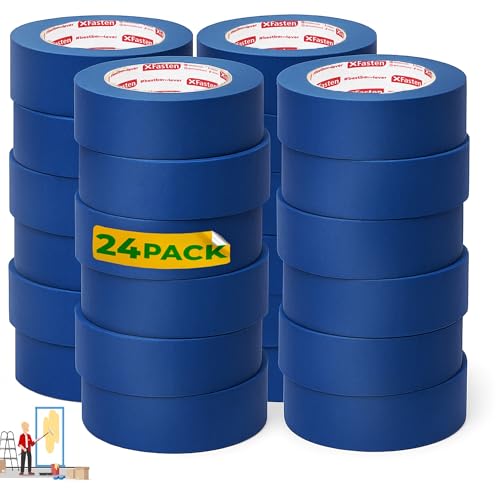
INDUSTRIAL-GRADE Blue Painters Tape with excellent anti-bleeding width-to-width lamination that delivers sharp paint lines, narrow edges, and intricate line designs. This bulk blue painters tape 2 inch comes in a 24 pack, which is perfect for enterprise-scale or medium to large projects for both Home renovation and automobile painting.
Combining Techniques for Optimal Results
When tackling caulking projects, have you ever felt overwhelmed by how to achieve that perfect finish? You’re not alone! The good news is that mixing different techniques can really improve your results. Here are some combos to consider:
– Smoothing Tool & Wet Finger: This pairing does wonders. It helps you create a clean bead without any awkward indentations, giving you that smooth finish you’re aiming for.
After you’ve used your smoothing tool, grab a sponge for the touch-ups. It’s perfect for removing any excess caulk and smoothing out those pesky imperfections. You’ll be surprised at how much of a difference this can make!
Using painter’s tape is another trick that a lot of folks overlook. It goes hand-in-hand with any tooling method you pick, ensuring sharp lines and preventing the caulk from sneaking into places it shouldn’t. Who doesn’t want a tidy look?
If you’re dealing with deeper grooves, try combining a rubber caulking tool with a sponge. This duo offers precision while effectively smoothing joints—essential for those tougher spots.
So, why does all this matter? Experimenting with these techniques gives you greater control over your caulking process. You can tailor your approach based on the job at hand.
In short, the right combinations can make all the difference in your caulking projects. What technique will you try next?
Remember, selecting the appropriate tooling method can minimize cracking and ensure a durable, long-lasting finish.
Best Practices for Achieving a Professional Finish
Want to know how to make your caulking look professional? It’s all about the little details and a few tried-and-true techniques that can really elevate your project. Let’s dive into some practical tips that’ll get you that polished finish.
First off, consider using a smoothing tool. It might seem simple, but it can make a world of difference, especially in those tricky corners and detailed joints. You’ll find that it creates a much more consistent look, which is what we’re aiming for.
Another handy tip is to apply masking tape around your caulk lines. This isn’t just for show; it helps you get clean edges and keeps everything neat by preventing smudging. Just make sure to peel the tape away promptly after you’ve smoothed the caulk. Otherwise, you might end up with less-than-ideal lines.
Have you ever noticed how messy things can get? Damping your fingers or tools with soapy water can help keep the caulk from sticking, making it much easier to smooth everything out. Just a little water goes a long way when it comes to handling the caulk.
One last point to keep in mind: don’t over-tool your caulk. It’s tempting to keep going, but too much pressure can leave those annoying indentations that ruin the look. Aim for a clean bead and leave it at that.
For the best long-term results, choose a sealant that offers durability and weather resistance to ensure your finish holds up under all conditions.
Recommended Products

FIRE RATED FOR MAXIMUM SAFETY: Akfix Fire Rated ThermCoat Spray Foam Insulation is Class-A Fire Rated and tested to meet stringent fire safety standards such as ASTM E84,Engineered to provide enhanced fire protection in residential, commercial, and industrial applications.

Easy to Use: This grout repair kit comes with a specially designed spatula featuring four distinct corners, each tailored for different spreading techniques. This allows for effortless and precise application in a variety of spaces, ensuring a smooth, professional finish even for DIY beginners. The water-based formula is user-friendly and safe, requiring no gloves and making the whole process clean and simple.

CONTRACTOR GRADE FLAT FINISHING BOX FOR SMOOTH OPERATION AND PROFESSIONAL FINISHING RESULTS - Advanced materials, workmanship and features backed by a 5-Year warranty
Frequently Asked Questions
Is It Better to Caulk With a Tool or Finger?
We believe using a tool is better for caulking. Studies show precise tool effectiveness can enhance surface finish by 75%, while finger technique may lead to inconsistencies. For clean lines, let’s choose the right tool!
Is It Okay to Smooth Caulk With Fingers?
Yes, we can smooth caulk with our fingers, but we should be cautious. While finger smoothing techniques allow for control, they may affect caulk finish durability compared to specialized tools, leading to uneven application.
What Is the Best Way to Tool Silicone Caulk?
For the best smoothing technique, we’ve found wet fingers work wonders after caulk application. Coupled with specific silicone types comparison, these simple tips guarantee a seamless finish. Let’s tackle that caulk like pros together!
What Is the Best Use of a Caulking Tool?
The best use of a caulking tool combines effective application techniques and best caulking practices. We should avoid common caulking mistakes by using tools for precision, ensuring a smooth finish and preventing mess during our projects.


