As an Amazon Associate, we earn from qualifying purchases. Some links on this site are affiliate links at no extra cost to you. Our recommendations are based on thorough research and editorial judgment.


Painter’s Tape vs. Cutting-In: When to Use Each

Are you stuck deciding between painter’s tape and cutting-in for your next big painting project? It’s a common dilemma, especially if you want to get those clean lines just right.
Painter’s tape can be a lifesaver for beginners or when tackling larger areas, ensuring that surfaces are protected and the lines stay sharp. However, it’s not just about slapping some tape down. You’ll need to make sure the surface is smooth and prepped well for the tape to stick effectively.
On the flip side, cutting-in might be the way to go for those who have a bit more experience under their belt. It’s quicker and gives you a little more freedom, especially when you’re dealing with tricky corners or edges. Plus, there’s something satisfying about getting those edges just right without the tape.
So, why does this matter? Well, choosing the right method can really make a difference in how your project turns out.
Here’s a quick recap of both methods:
- Painter’s Tape:
- Great for beginners.
- Perfect for large surfaces.
- Ensure proper prep for adhesion.
- Cutting-In:
- Faster for experienced painters.
- Offers flexibility for tricky spots.
- Requires a steady hand but is very rewarding.
Truth is, understanding the pros and cons of each technique can significantly enhance your painting results.
Whether you’re just starting or you’ve been painting for a while, asking yourself what suits your skills and the project at hand will help you decide which method to use.
So, what will you choose for your next project?
Key Takeaways
- Use painter’s tape for larger projects or when you need perfect lines, especially if you’re less experienced.
- Cutting-in is ideal for skilled painters seeking precision and efficiency, particularly in tricky spots.
- Painter’s tape helps prevent paint bleeds and provides a protective barrier for clean edges.
- Choose cutting-in for faster application if you’re comfortable with your painting technique and have steady hands.
- Evaluate your skill level and project requirements to decide on painter’s tape or cutting-in for best results.
Essential Techniques for Cutting In Without Tape: A Step-by-Step Guide

Cutting in without tape can feel intimidating, but with a few key techniques, it gets a lot easier. You might not think about it, but the right brush makes all the difference. A stiff, high-quality brush gives you the control to apply paint evenly and prevents those pesky drips that can ruin your hard work.
Start off by painting away from the trim. This sounds simple, but it really helps to create a nice buffer. Once you’ve got your base layer down, go back for a second pass right along the edge for those sharp lines you’re aiming for. If you encounter textured surfaces, try working in both directions. This technique fills in the crevices effectively and gives a smoother finish.
Using an angled brush is another way to up your cutting-in game. It’s designed for maneuverability, especially around corners, which is essential for creating precise edges. So, why does this matter? Well, a clean line can change the entire look of a room without needing a lot of extra steps.
Truth is, cutting in can be a skill that you get better at with practice. With these tips in tow, you’ll find that it’s totally possible to achieve professional-looking results without the hassle of tape. Painting can be fun and rewarding—don’t you want your project to reflect that? For those times when you do choose to use tape, selecting the right medium adhesion painters tape ensures clean removal and sharp paint lines without damage.
Recommended Products

Hydraulic downfeed control is easily adjusted, enabling feed rates to evolve with variable types of materials

Capacity of 7" OD round and 7" x 10-1/4" rectangle in horizontal position (for traditional cutoffs) at 90°

【Connect】This attachment is powered by the included PTO drive shaft. PTO shaft speed 540 rpm, rotor shaft speed 2356 rpm, allows for efficient power transfer. Adopting a 3 point hitch for easy installation. It is recommended for 30-60HP Cat 1 tractors and loaders.
The Benefits of Using Painter’s Tape for Clean Lines

Ever tried painting a room only to end up with paint smudges everywhere? We’ve all been there, and it can be super frustrating when you’re aiming for nice, clean lines. That’s where painter’s tape comes in handy. It can really up your painting game and make your projects look professional without the headache.
First off, let’s talk about the clean edge that painter’s tape gives you. You can expect crisp lines that make any wall or trim look sharp. This means less time spent touching up those pesky spots, which is a win in my book.
Additionally, painter’s tape acts like a protective border. It helps shield surfaces from accidental splashes or drips that you definitely don’t want on your carefully painted walls. Think about how annoying it is to clean up those little mistakes—tape helps avoid those altogether.
Now, if you’re not the best at freehand painting, here’s the trick: using painter’s tape can save you a ton of time. It allows for quicker application, meaning you can wrap up your projects and enjoy the results much sooner.
Another thing to consider is the versatility of painter’s tape. There are different kinds designed for various surfaces, ensuring they stick well and reduce the chance of paint bleeding. So, whether you’re working on wood, drywall, or even glass, there’s a tape out there for you.
To sum it up, painter’s tape is a simple tool that can really improve your painting experience. It’s all about that clean finish and saving you time. Why not give it a shot on your next painting project? You might just find it makes all the difference!
Plus, many types of painter’s tape offer clean removal without residue, so you won’t have to worry about sticky leftovers after your project is done.
Recommended Products

GENUINE LEVEL5 | If quality, performance, and reliability of your finishing tools matters, choose LEVEL5 brand tools.

Available in a wide variety of vivid colors for diverse applications

Available in a wide variety of vivid colors for diverse applications
Common Mistakes to Avoid With Painter’s Tape

Have you ever started a painting project only to find that the lines aren’t as sharp as you’d hoped? Painter’s tape is supposed to help, but if you aren’t careful, it can lead to some frustrating mistakes that ruin your hard work.
One big blunder is choosing the wrong tape for the job. Always double-check compatibility with the surfaces you’re working on. Using the wrong kind can weaken adhesion, meaning paint might bleed right under the tape.
It’s also crucial to prep the surface properly. If you skip cleaning the area, you’re risking a lot. Dirt or dust can mess with the tape’s bond, making it more likely for paint to seep beneath. Ever wondered why your lines ended up fuzzy? Surface prep might just be the missing piece.
How you apply the tape matters too. Not pressing it down firmly leaves gaps where paint can sneak through. I’ve found that using a putty knife along the edge can create a solid seal, which really makes a difference.
Timing can be a bit tricky. If you pull off the tape too soon, you might end up smudging that fresh paint. It’s best to wait until the paint is dry to the touch before removing it to avoid any mess.
Lastly, think about how you take off the tape. If you pull straight back, you might end up with jagged lines that really detract from your work. Instead, try peeling it off slowly at a 45-degree angle; this can help achieve cleaner edges.
Also, using tapes with long-lasting adhesive performance can ensure clean removal even after several days, preventing residue and damage.
To sum it up, using painter’s tape effectively can take your painting projects from basic to beautiful. Are you ready to tackle your next project with these tips in mind?
How to Fix Common Painter’s Tape Mistakes
We’ve all been there—painting our surfaces with a lovely vision, only to end up with those dreaded painter’s tape mistakes. Don’t worry, fixing these blunders is usually easier than it seems. Let’s dive into how to tackle some of the most common issues!
First off, if you’ve accidentally used the wrong tape, that’s a quick fix. For delicate surfaces, traditional tape just doesn’t cut it. Swap it out for painter’s tape specifically designed for those areas, and you’re on your way to better adhesion.
Next, surface prep is key. Do you really want to ruin a perfect paint job with dust and grime? It’s super important to clean the area before you apply that tape. A clean surface helps prevent any paint from bleeding underneath, so don’t skip this step!
When you do put down the tape, make sure you’re pressing the edges firmly. Kind of a no-brainer, right? But you’d be surprised how many people overlook this. Pressing down the edges properly is crucial—it guarantees those straight lines you want and keeps the paint where it belongs.
Timing is another essential part of the process. How frustrating is it to peel the tape and find you’ve ruined your hard work? Wait until the paint is dry to the touch but not completely cured. That’s the sweet spot for removing tape smoothly!
Now, when you’re ready to take off the tape, try this: remove it slowly at a 45-degree angle. This technique really helps maintain those clean edges and avoids any jagged lines. Trust me, it makes a world of difference.
Also, selecting tape with the right adhesive strength ensures strong hold without leaving residue or damaging surfaces upon removal.
Recommended Products

PACKAGE CONTAINS: 48 rolls of general purpose masking tape by GTSE

Non-sparking, soft-face sledgehammers

Manual applicator gun for applying medium and high viscosity 3M windshield urethanes
Must-Have Tools for Taping and Cutting In
Achieving those clean lines and perfect edges in your painting projects can feel tricky sometimes, but it all comes down to having the right tools. You definitely want to avoid paint bleeds that ruin your hard work, so here’s what you need to have on hand:
Firstly, consider investing in high-quality painter’s tape. Products like Frog Tape can be a lifesaver. They really help keep the paint from bleeding and ensure you get those crisp edges. It’s worth spending a little more for that peace of mind.
Next, grab yourself a stiff, angled paintbrush. This isn’t just another brush—it’s your secret weapon for cutting-in. With better control, you’ll find it easier to tackle those tricky spots, and it helps you achieve the tailored finish you want.
One little trick you might not have thought of: use a credit card or a putty knife**** to press down the edges of that painter’s tape. It’s surprising how effective this is for sealing the tape edges, preventing any sneaky paint seepage that can mess up your lines.
Don’t underestimate the value of a damp rag either. It’s perfect for quickly cleaning brushes or fingers when you need to make adjustments. Plus, it can help smooth down the tape for better adhesion—every little detail counts!
And let’s not forget about proper surface preparation**. Cleaning and dusting your walls might seem tedious, but trust me when I say it’s crucial for getting the best paint adherence and finish quality. So, why does this matter? Because taking these extra steps helps ensure your paint job looks professional**.
Additionally, choosing tape with the right adhesion strength and removal ensures it holds securely during painting but peels away cleanly without leaving sticky residue behind.
All in all, having these tools at your disposal can really elevate your painting experience. Do you have any favorite painting tips or tools that make your projects go smoother?
Recommended Products

Synthetic blend for all paints, latex and oil-based

✅ Adjustable LED picture light with a warm white 2700K color temperature, perfect for highlighting artwork, photos, paintings, and other wall décor, providing a beautiful and elegant display lighting solution for homes, galleries, and museums

Powerful 10.8 amp (1,300 watts) motor delivers the cutting power to cut through granite, porcelain, concrete, and other stone materials.
Time Efficiency: Tape vs. Cutting-In Methods
When you’re diving into a painting project, you might find yourself debating between painter’s tape and hand-cutting techniques. This decision can really impact how smoothly things go.
Let’s start with painter’s tape. It’s definitely a go-to for many DIY painters looking to minimize their edge work. While it might take a bit of time to position the tape just right, the payoff is worth it. Tape helps prevent that dreaded paint bleed, which means less time spent touching up later. Plus, it streamlines cleanup, making it easier to keep your space tidy.
On the other hand, there’s the old-school method of cutting-in. Pros often swear by this technique because with practice, it can be quicker than taping. Experienced painters can edge about 20% faster without needing tape. It’s also a flexible method, adapting well to different surfaces and less predictable circumstances. So, why does this matter? If you’re confident in your skills, cutting-in can save time and give you that nice, clean look.
For those who only paint occasionally, leaning towards tape might actually boost your overall efficiency. It ensures those clean lines and reduces the likelihood of making mistakes, which can make the whole process feel a lot smoother and more manageable. Frankly, this means fewer headaches and more time to enjoy the finished product.
To sum it up, whether you choose painter’s tape or cut-in methods, it all comes down to your experience level and preference. Each option has its perks that can fit different styles of working. Have you tried both, and what worked best for you?
Additionally, using tools with precision tips can enhance control in detailed painting tasks, complementing either method you choose.
Tips for Achieving Professional Results No Matter Your Technique
Picking a painting technique can feel overwhelming, right? But no matter which method you go with, a few solid tips can lead to results that look professionally done.
Let’s talk painter’s tape for a minute. Using high-quality tape makes a big difference. It helps create those nice, sharp edges and keeps your walls and furniture safe from paint splatters. You want every detail to shine, so invest in good tape.
When it comes to cutting in, there’s a technique that can really help. If you’re going tape-free, use a stiff, angled brush—hold it like a pencil. You’ll find it much easier to maintain control and precision. No one wants a messy edge, right?
Surface prep is often overlooked, but it’s crucial. You should always check that your walls are clean and dust-free before you start. This can really help with the tape sticking properly or when you’re controlling the brush. So, grab a damp cloth and give your surfaces a quick wipe-down.
Now, about that painter’s tape again—removing it the right way can save your sanity. Wait until the paint’s dry to the touch but not fully cured. This simple trick can help keep from smudging your sharp lines, leaving you with a clean finish.
For optimal results, consider using pre-taped masking paper with waterproof adhesive to ensure clean removal and prevent paint bleed-through.
Choosing the Right Method for Your Project?
Picking the right method for your painting project can really make a difference in how it turns out. Have you ever struggled with getting clean lines? Let’s break down when to use painter’s tape versus cutting-in.
Painter’s tape is a great choice if you’re just starting out or you’re tackling a big project where perfect lines are a must. It helps protect surfaces and cuts down on those frustrating touch-ups we all dread. If you’re not super confident yet, this method can take a lot of the pressure off.
On the flip side, cutting in might be the way to go if you’ve got a steady hand and want to showcase your skills. It gives you better control, especially in those tricky spots like corners or where walls meet the ceiling. If you’ve got some time and are looking for precision, this technique could be worth the effort.
So, why does this matter? Your choice can really shape how your project feels and looks when it’s done. The best part is both methods have their place, so think about what fits your style and skill level best.
In the end, whether you go with tape or cutting-in depends on your comfort level and the project at hand. Also, considering ease of use products can simplify your application process and improve your overall results. What’s your go-to method?
Recommended Products

Alpha Grip is a non-slip concrete and asphalt paint that is designed to drastically increase the slip resistance of surfaces. It has a semi-gloss textured non-slip finish

100% Grout-Free & Watertight System: Eliminate the hassle of grout maintenance forever. Made from robust, non-porous PVC, this surround is naturally water resistant, providing a seamless, wipe-clean surface that guarantees a watertight seal when installed correctly.
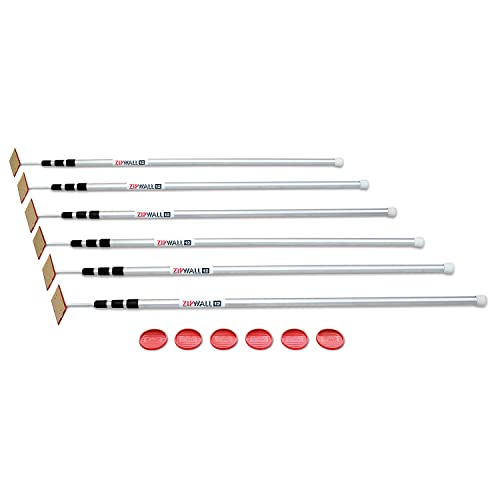
Dust Barrier In Minutes: These ZipWall spring-loaded poles are quick and easy to set up without ladders, tape, or damage, making them an ideal dust protection solution for both residential and commercial remodeling and restoration.
Frequently Asked Questions
How Do I Get a Perfect Line Between My Wall and Ceiling?
Isn’t it great to have a perfect line between ceiling edges and walls? We can achieve that by using painter’s tape carefully, or mastering cutting in technique, considering wall textures and paint types for the best outcome.
Do Painters Actually Use Painters Tape?
Yes, we often use painter’s tape for its wall protection, helping to prevent color bleed and ensuring clean lines. Tape longevity can vary, but it’s a handy tool, especially for those less experienced in painting.
Is There a Trick to Using Painters Tape?
Yes, there’re tricks to using painter’s tape! We recommend proper surface preparation, applying the tape firmly, and removing it at a 45-degree angle for clean edges. Following these tape application techniques enhances our painting results noticeably.
Should You Cut in or Paint Walls First?
We often find that cutting in before wall painting gives us better control, especially in tight spaces. While tape application can speed up the job, we appreciate the precision that cut in techniques offer.


