As an Amazon Associate, we earn from qualifying purchases. Some links on this site are affiliate links at no extra cost to you. Our recommendations are based on thorough research and editorial judgment.


How to Choose Caulk for Trim, Baseboards, and Crown Molding

Got a project that involves trim, baseboards, or crown molding? Choosing the right caulk can be a bit overwhelming, but it doesn’t have to be.
First off, if you’re working on interior trim, stick with paintable latex or acrylic caulk. It dries quickly, which is a huge plus when you’re trying to get things done, and you can easily paint over it to match your decor.
But if you’re tackling areas that might get a little damp, like bathrooms or kitchens, then silicone-based caulk is a better choice. It’s tougher and will stand up to moisture much better.
Before you start sealing everything up, don’t forget to confirm that the caulk you choose is compatible with the surfaces you’re working on. Also, check the expiration date on the tube; using old caulk can lead to an unpleasant mess.
You’ll want to take the time to prepare the surfaces properly, as good prep can really enhance how well the caulk sticks.
So, why does this matter? Because a clean, well-prepped surface means fewer headaches down the line. If caulk doesn’t adhere well, you’ll just end up having to redo it, and trust me, that’s not a fun task.
If you follow these tips, you’ll have a much smoother caulking experience. Remember, proper selection and preparation lead to a professional finish.
What projects are you planning that might benefit from a little caulking finesse?
Key Takeaways
- Choose paintable caulk specifically designed for trim, baseboards, and crown molding to ensure a clean finish compatible with paints.
- Opt for a flexible caulk that accommodates minor movement in trim, reducing the risk of cracking or gaps over time.
- Select a caulk with a low VOC (Volatile Organic Compounds) rating for safer indoor air quality after application.
- Consider a latex-based caulk for easy cleanup and ability to paint over once cured, maintaining aesthetics.
- Check the drying and curing times of the caulk to plan for a seamless project timeline and ensure long-lasting results.
Common Trim Caulking Mistakes and How to Fix Them

Have you ever tried caulking trim and found yourself frustrated by the process? It’s surprisingly easy to mess up. Here are some of the biggest mistakes people make when caulking and how to sidestep them:
First off, using the wrong type of caulk can ruin your project. If you’re working in areas that need to be painted, steer clear of 100% silicone. It can’t be painted, which leads to those annoying mismatched finishes.
Another common misstep is not cleaning the surfaces before you start. Dust, dirt, and old caulk can create gaps that really hurt the overall look. You want the caulk to stick, so take a few extra minutes to clean up first.
Do you find yourself not applying enough pressure when using your caulk gun? Trust me, this can lead to uneven beads and pesky air pockets. You need to maintain a steady grip and apply consistent pressure for the best results.
Timing is everything, especially when it comes to painter’s tape. If you wait too long to pull it away, you risk pulling the caulk with it or ending up with ragged, uneven lines. So, figure out the right moment to remove that tape for crisp edges.
And then there’s the temptation to over-tool the caulk. Trying to smooth it out too late can lead to unsightly smears. It’s better to get it right the first time instead of going back and forth.
For the best durability and protection against moisture, choose caulks with strong adhesion capabilities to ensure a long-lasting seal.
Must-Have Tools for Successful Caulking

Successful caulking isn’t just about technique; it really hinges on having the right tools in your toolkit. Have you ever been frustrated by a messy caulk line? Getting a clean, professional finish is easier when you’ve got these must-have tools on hand.
First up is the caulk gun. It’s absolutely essential if you want to apply sealant smoothly along trim edges. If you’re using a cheap or old one, you might struggle with uneven application, which can ruin your hard work.
Then there’s painter’s tape. This is a real lifesaver for getting those straight lines and clean edges. Just place the tape down next to where you plan to caulk, and it’ll keep the excess sealant where it belongs—on the right side of the line. You’ll thank yourself later when you can peel the tape off to reveal crisp results.
Next, consider having a GE sealant remover tool. This handy tool is ideal for taking off old caulk without messing up the surfaces underneath. It can save you a lot of hassle if you’re trying to refresh your seams or fix previous mistakes.
I also recommend keeping some microfiber rags and denatured alcohol nearby. Cleaning surfaces beforehand is crucial for getting a strong bond with the new caulk. A quick wipe down can make all the difference in how well the sealant sticks.
For those deeper joints that are wider than 1/4 inch, a backer rod is a must. It provides support and helps ensure you get a solid seal that will last. So, why does this matter? Well, a good seal means your projects will withstand the elements better and look better, too.
Additionally, using ergonomic caulking tools can reduce hand fatigue and improve control, making the process smoother and results more professional.
With these tools in your arsenal, you’re on your way to achieving a neat and professional look for your trim and molding projects. Are you ready to get started? It’s time to tackle that caulking!
Step-By-Step Guide to Applying Caulk Like a Pro
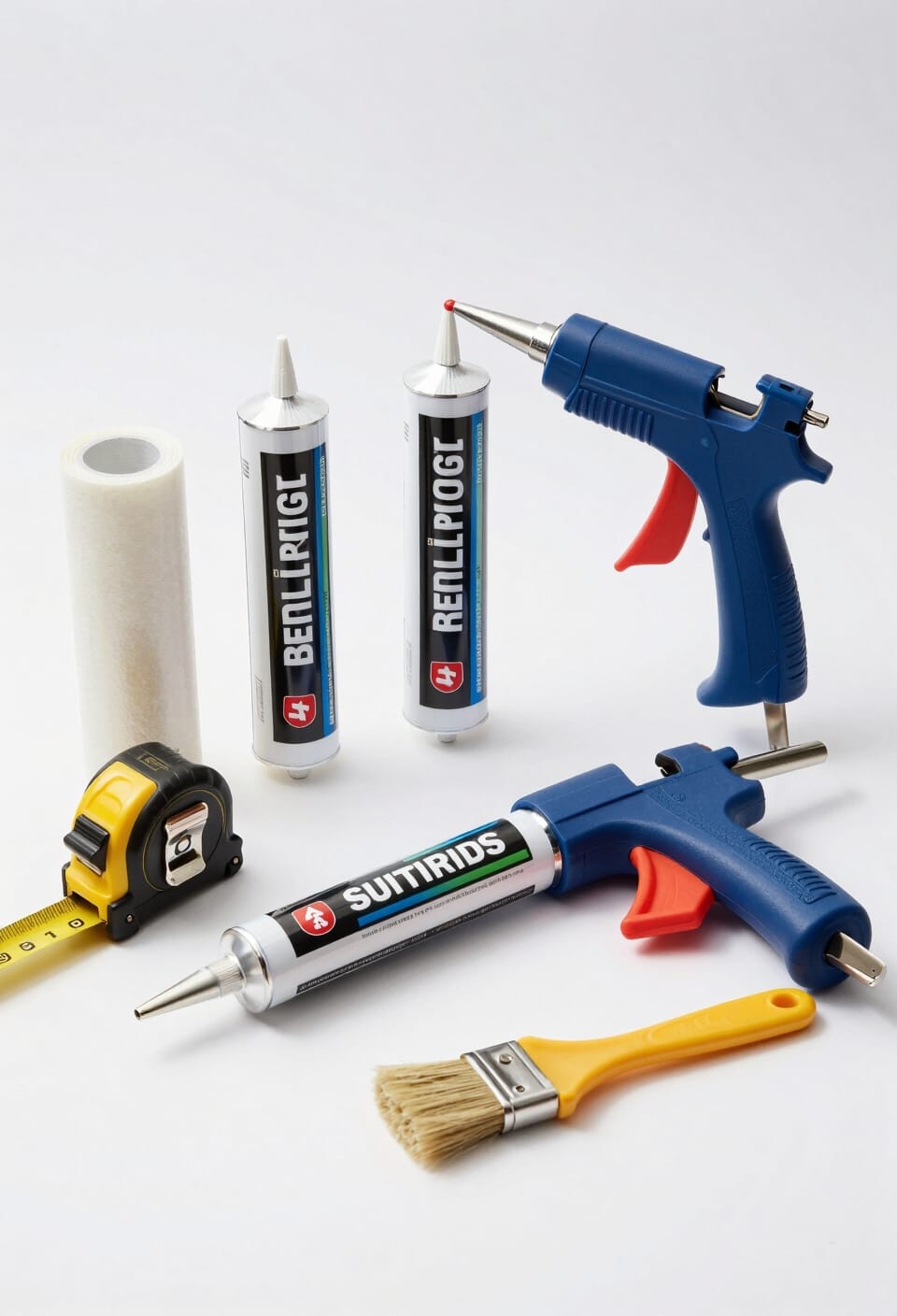
Applying caulk might feel a bit overwhelming at first, but once you break it down into simple steps, it can actually be a breeze. Trust me, anyone can do it with a little practice!
First things first, cleaning the surface is key. Make sure you wipe down the areas where you’ll be applying the caulk. If the surface isn’t clean, the caulk won’t stick well.
Next, why not use painter’s tape to mask the edges? This little trick makes for much cleaner lines and makes the tape peel-off super easy later. It’s all about those neat finishes!
When you’re ready to cut the nozzle, do it at a 45-degree angle. This gives you a better grip on the caulk bead and offers more control while applying it. Now comes the fun part: applying the caulk. Just apply steady pressure on the caulk gun. Keep the nozzle in contact with the surface to create an even bead.
As soon as you’ve applied the caulk, smooth it out right away. You can use a caulking tool or even your finger—just make sure it looks neat and tidy. It works for both interior and exterior jobs, so no worries there.
For best results, be sure to choose a caulk with suitable curing time requirements based on your project schedule to ensure proper adhesion and durability.
How to Achieve a Clean and Professional Caulking Finish
Achieving a clean and professional caulking finish can seem daunting, but don’t worry; it’s all about the little things. Ever tried to paint a room and then realized your caulk looks like it was done by a toddler? Yeah, I get it. The good news is that with a few simple steps, you can turn that frown upside down.
Start by using painter’s tape along the edges where you’re applying the caulk. This creates those clean lines you see in home improvement shows and protects from any smudges. It’s a step you shouldn’t skip.
When it’s time to cut the caulk tube, make sure you make a 45-degree angle cut. Not only does this help with the flow, but it also gives you better control over the application. You want to be the boss of that caulk, right?
Now, here’s the trick—smoothing out the caulk bead is where some people trip up. Use a smooth tool or even your finger if you’re careful. Aim for a seamless finish, especially on non-porous surfaces.
And don’t forget to maintain steady pressure on the caulk gun trigger. Nobody wants air pockets or inconsistencies in their work. It’s all about keeping it even and steady.
One last thing: when you’re done, be sure to remove that painter’s tape quickly. It’s best to do this before the caulk dries. If you wait, you risk losing those sharp edges, and nobody wants that.
Using a canvas painters drop cloth during your project can protect surfaces from spills and help you maintain that professional finish with less cleanup.
Follow these straightforward steps to achieve a professional look, and you’ll be surprised at how proud you feel of your work. So next time you tackle a caulking job, keep these tips in mind. What’s your next project?
Troubleshooting Common Caulking Issues
Have you ever tried to caulk something and ended up with a mess? It’s frustrating when you think you’ve done it right, only to find issues later. Let’s dive into some common problems you might come across while caulking and what you can do about them.
Stringing or Smears: This can happen when the bead of caulk is too thin or if you waited too long to smooth it out. The solution? Just reapply a thicker bead of caulk. It’s really that simple.
Voids or Air Pockets: These little annoyances are usually the result of uneven pressure from your caulk gun. Make sure you’re applying consistent pressure throughout the entire length. You want a nice, even line, so take your time with it.
Cracks After Painting: This issue arises when you use lower-rated sealants. To avoid this, pick caulk that’s rated at Class 25 or higher. It might cost a bit more, but your finished project will thank you later.
Poor Adhesion: Nothing’s worse than caulk that just won’t stick. Make sure to clean the surfaces thoroughly before applying the caulk—dust, grease, or any remnants of old caulk can really mess up the bond. So take a couple of minutes to prep the area properly.
Painter’s Tape: Here’s a handy tip: Remove Painter’s Tape before the sealant skins over to avoid any tearing. It’ll help you achieve a cleaner edge and a more professional look.
Also, keep in mind that most siliconized acrylic caulks require approximately 24 hours to cure fully, which is important for ensuring a lasting seal.
Keep these tips in mind, and you’ll be on your way to caulking success. Have you run into any other caulking issues? What’s your go-to solution?
Best Practices for Maintaining and Storing Caulk
Are you tired of opening a tube of caulk only to find it’s dried out or not working as it should? You’re not alone! Keeping your caulk in good condition is essential for ensuring it does its job right when you need it. Here are a few practical tips to make sure your caulk stays effective and ready for action:
First off, think about where you’re storing unopened tubes. A cool, dry place is best, and believe it or not, this simple step can help extend their shelf life by up to 20 years! Before you get excited about that long lifespan, always remember to check the expiration dates printed on the packaging. Expired caulk can lead to a frustrating lack of sealing power, and we definitely want to avoid that mess.
Now, if you’ve already opened a tube, here’s the trick: seal it properly! Use the cap or some plastic wrap to tightly close it up. This can prevent it from drying out and save you time on future projects. Trust me, there’s nothing worse than reaching for a tube only to find it’s turned to a solid.
Maintaining your tools matters too. After finishing a project, clean your caulk gun to keep it from getting gunky and hard to use next time. Honestly, a quick rinse can make all the difference!
It’s also a good idea to store those tubes upright. This way, you avoid any leaks and can easily grab what you need when you’re in the middle of a project.
Keep in mind that environmental factors like humidity and temperature can impact how well your caulk cures, so storing it properly helps ensure it performs as expected with optimal curing time.
Frequently Asked Questions
What Is the Best Caulk for Baseboards and Trim?
For baseboards and trim, we love using GE Siliconized Multi-Purpose Acrylic or DAP ALEX PLUS. Proper caulk application techniques guarantee a smooth finish, so let’s choose the best caulk brands for our projects together!
What Kind of Caulk Should I Use for Crown Molding?
For crown molding, we should use a flexible, paintable caulk like DAP DYNAFLEX ULTRA™. It’s perfect for gaps and stands up to movement, ensuring a clean, professional look that lasts. Let’s make it beautiful together!
Should Caulk Match Baseboard or Wall?
If we want a flawless finish like Michelangelo’s masterpiece, caulk should match either the baseboard or wall for perfect color coordination. Considering different finish types can elevate our project’s aesthetic tremendously, so let’s choose wisely!
Should I Use White or Clear Caulk for Baseboards?
For baseboards, we should lean towards white caulk for its aesthetic appeal, seamlessly blending with trim and walls. Clear caulk works well in moist areas, but we prefer white for visible seams in dry spaces.


